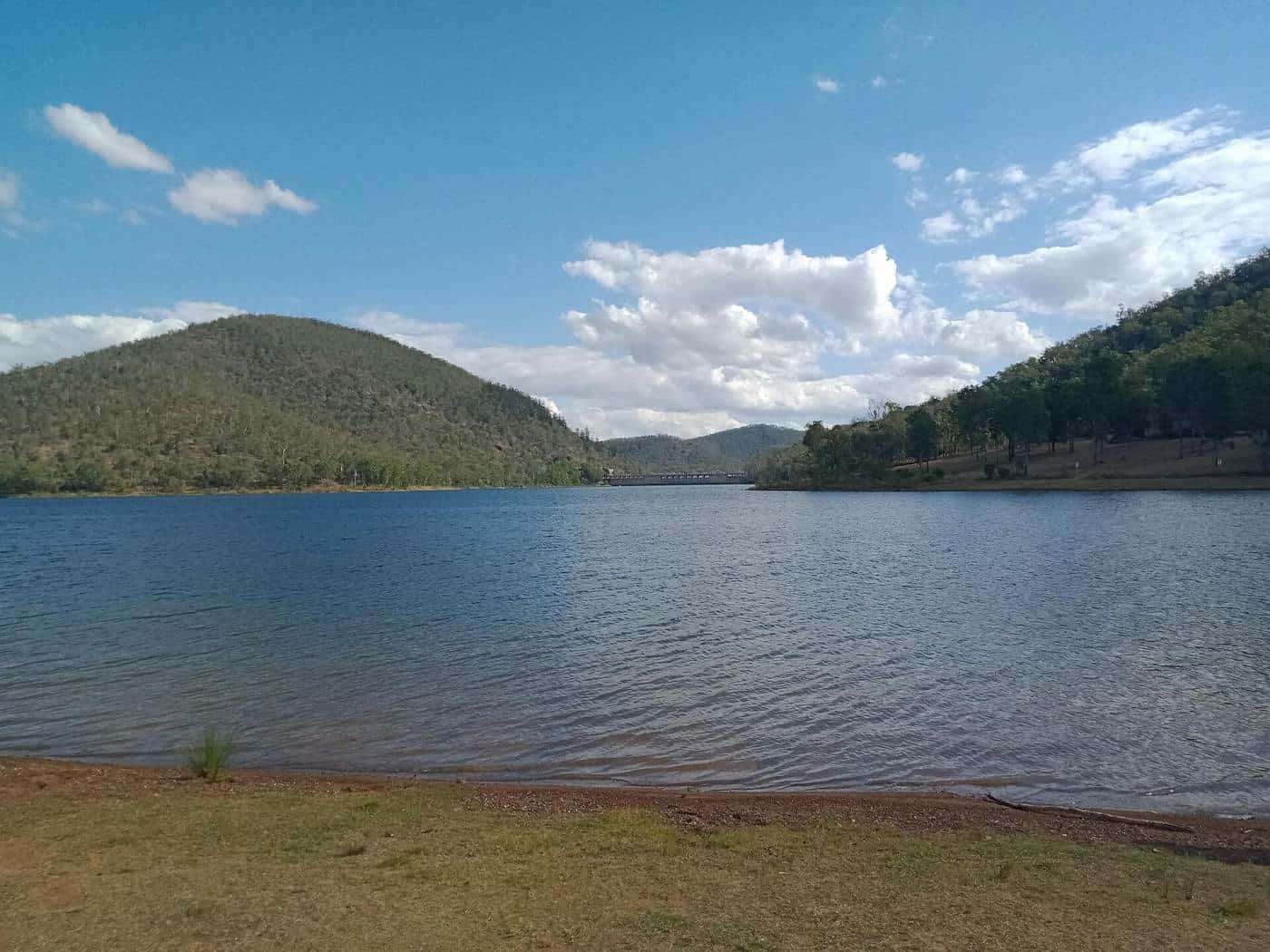
Camping is one of the simplest pleasures Australia has to offer: a patch of flat ground, a roof of canvas or nylon, a meal cooked outdoors and a sky full of stars. It is also one of the easiest trips to get slightly wrong. A tent that leaks, a sleeping bag that is too thin for a cold night, a forgotten lighter or a warm esky can turn a relaxing weekend into a long one.
Camp Essentials exists to help you get it right the first time. We publish independent, plain-English guides to the gear that matters, the habits that keep you safe and the campsites worth driving to, with a focus on South East Queensland. Our advice is based on official sources such as the Queensland Parks and Wildlife Service, the Queensland Fire Department and Queensland Health, plus reputable references on how gear actually works.
~525
Camping areas
In Queensland parks and forests (QPWS)
5–60°C
Food danger zone
Keep cold food at 5°C or colder
4 levels
Fire danger ratings
Australian Fire Danger Rating System
What you will find here
Gear guides that explain, rather than sell. Our camping gear hub covers tents, sleeping bags and mats, stoves and eskies. Instead of ranking products we have never tested, we explain the specifications that matter, such as what a tent's hydrostatic head figure means, how sleeping bag temperature ratings are measured and why a gas cartridge must never go inside a tent. Once you understand those, you can judge any product in any store.
Tips that keep you safe. Our camping tips hub includes the ultimate camping checklist, a beginner's guide, campfire safety and fire bans and Leave No Trace camping. Fire bans, food safety and water treatment are not glamorous topics, but they are the ones that prevent the bad trips.
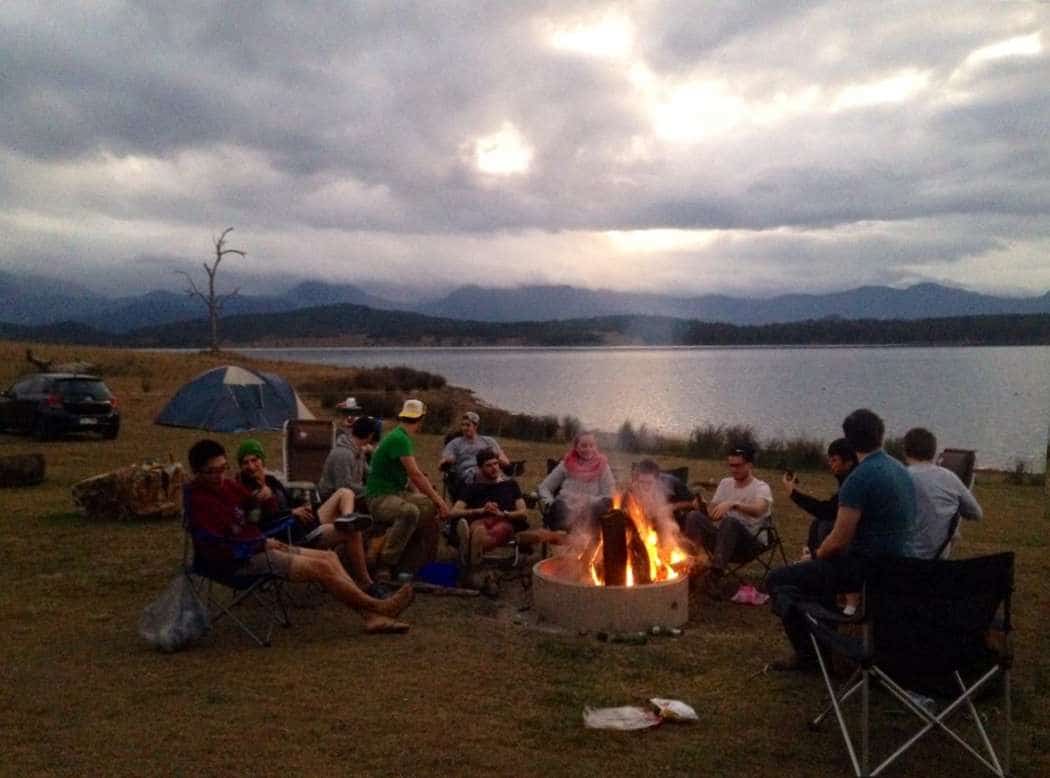
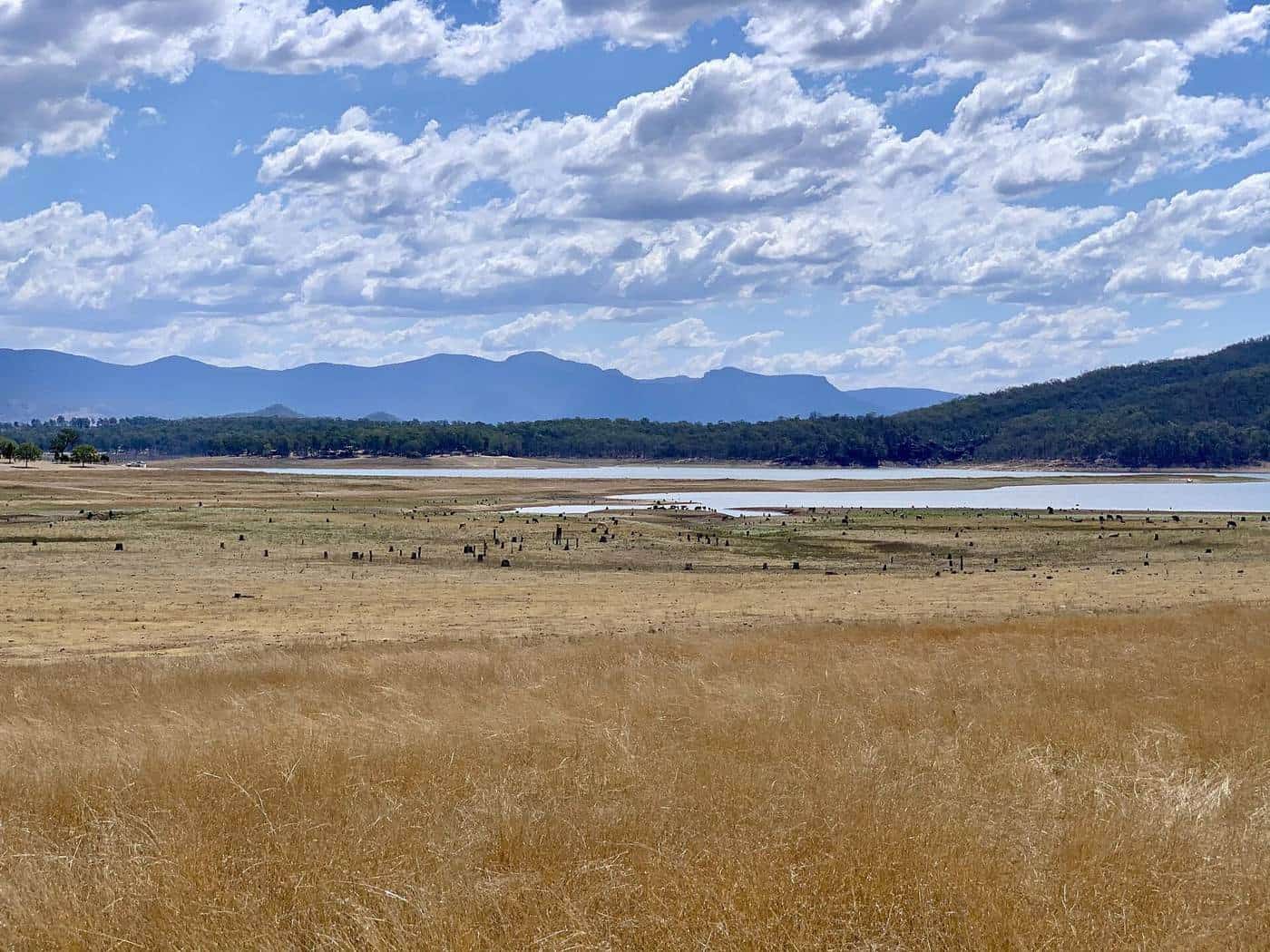
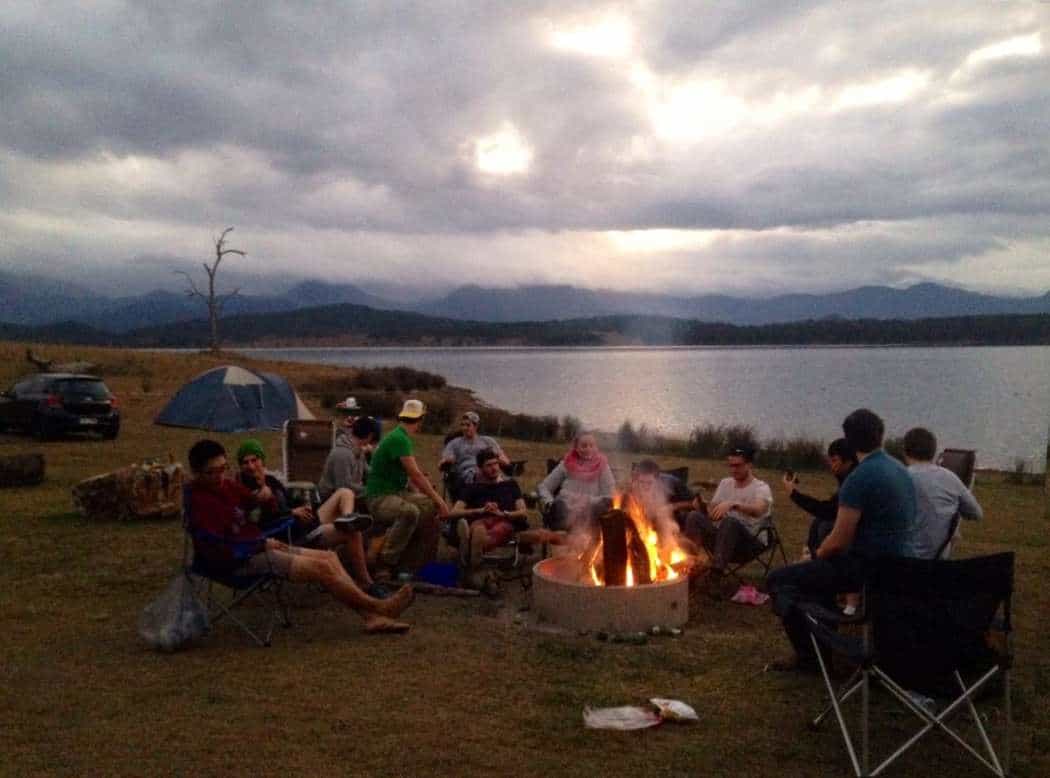
Campsites near Brisbane. Our where to camp hub explains how national park camping in Queensland works and profiles lakeside favourites such as Lake Moogerah and the Somerset, Wivenhoe and Manchester lakes west of the city.
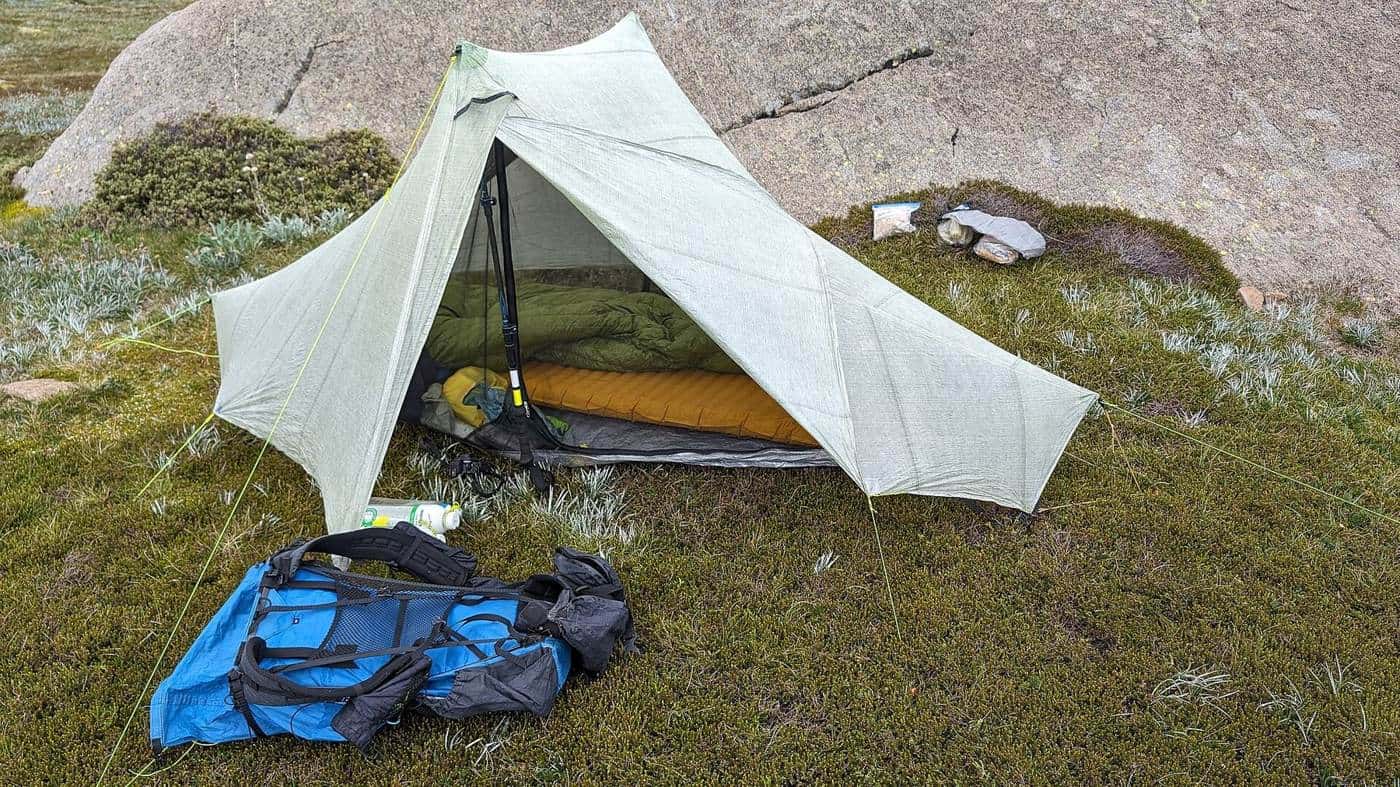
The five essentials of every camping trip
However you camp, from a car-based weekend at a lakeside campground to a hike-in night in a national park, the same five needs come first.
1. Shelter
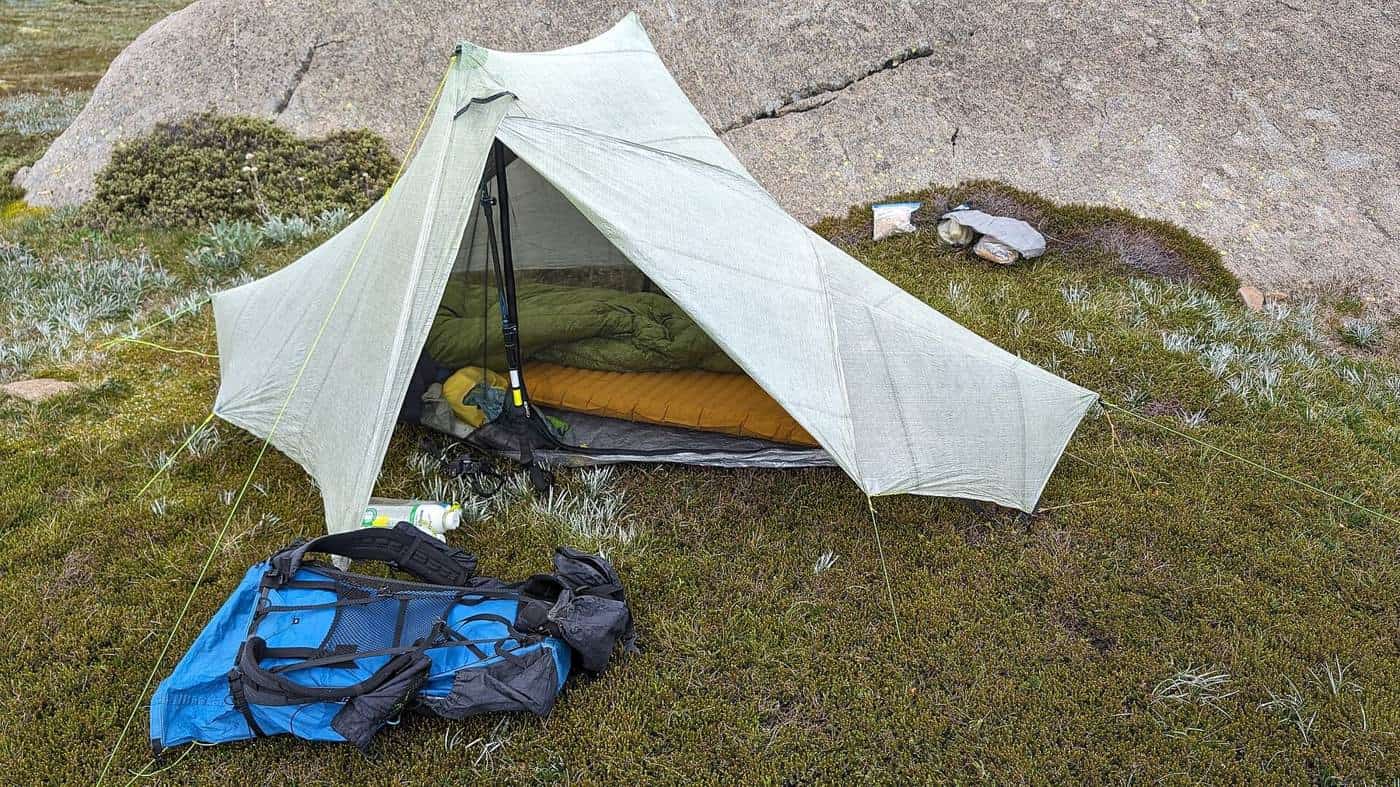
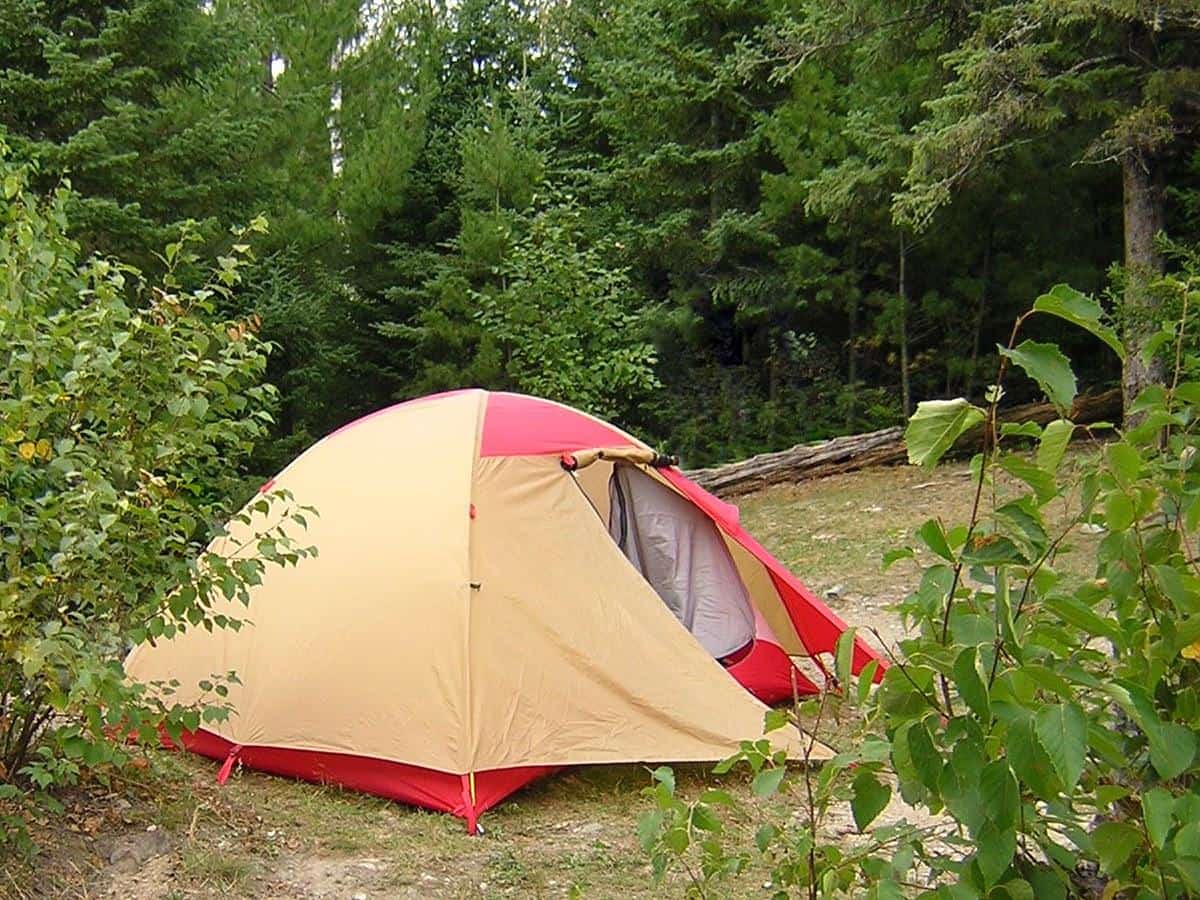
Your tent, swag, camper or van is your protection from rain, wind, sun and insects. The most important thing is not price or brand but fit: is it big enough for your group and gear, is it waterproof enough for the season, and can you put it up confidently in fading light? Practise pitching at home before your first trip. Our tent guide explains the main designs and what the numbers on the label mean.
2. Sleep
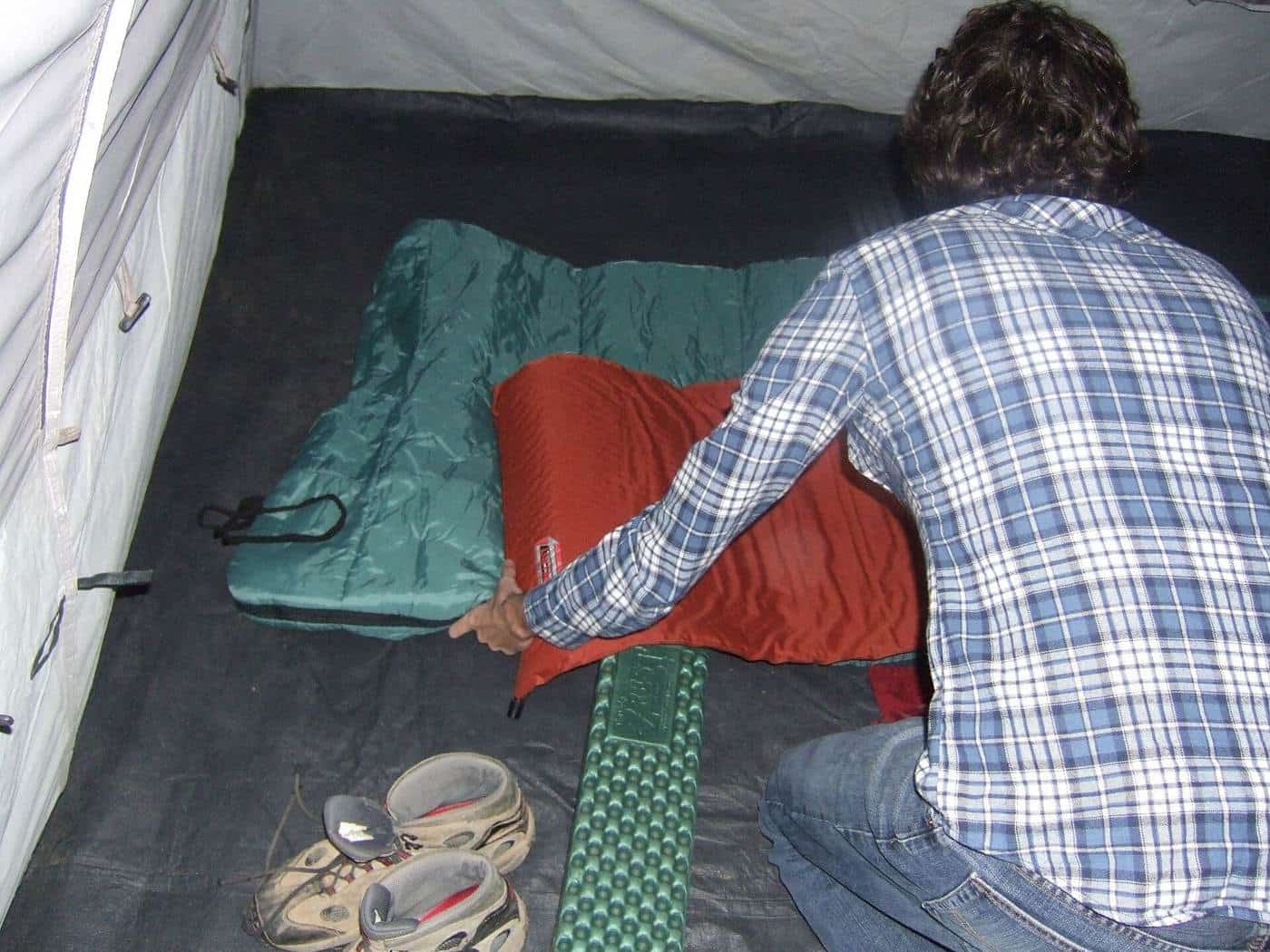
A bad night's sleep is the most common reason people give up on camping. Two things matter more than anything: a sleeping bag with a comfort rating that suits the coldest night you expect, and a sleeping mat to insulate you from the ground. The ground draws heat away from your body far faster than air, which is why a thin bag on a good mat often beats a thick bag on bare ground. See our sleeping bags and mats guide.
3. Water
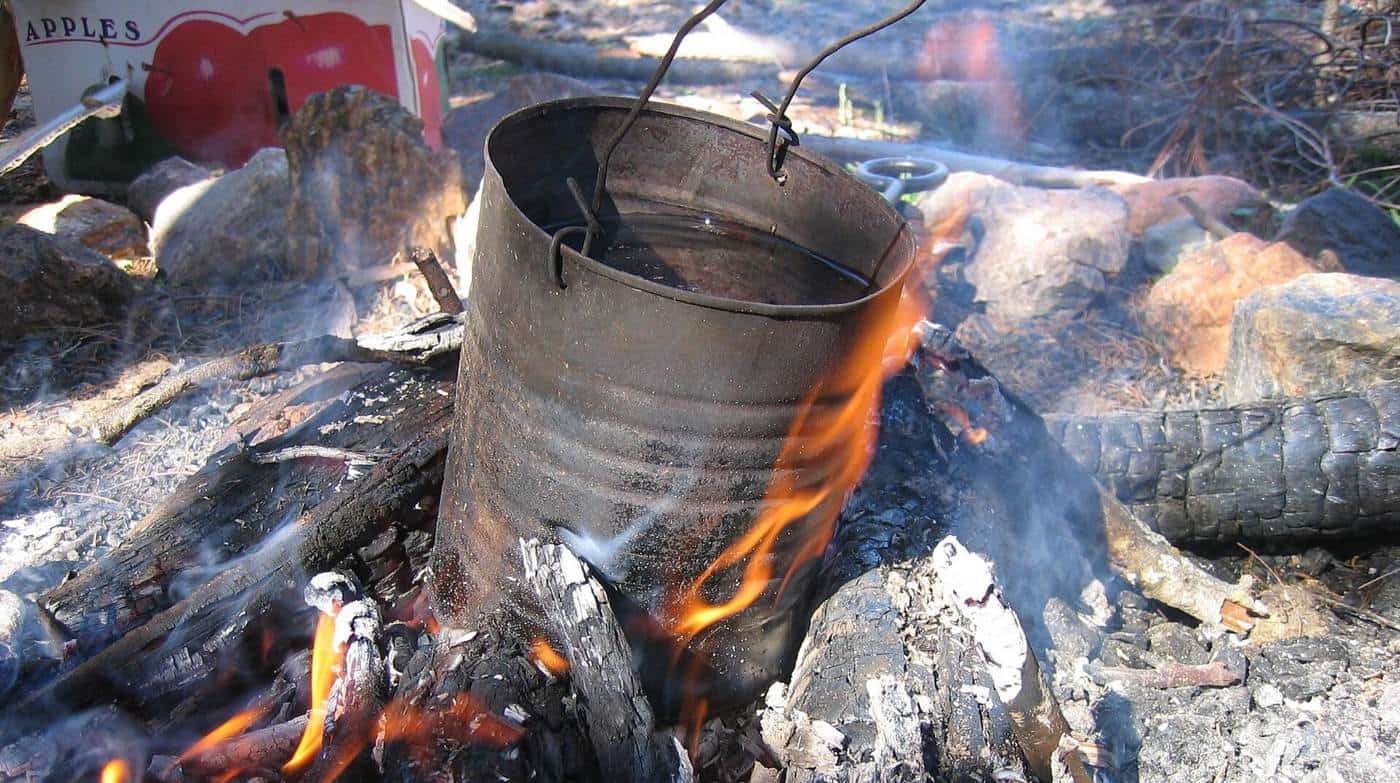
Plan where your water will come from before you leave. Many campsites, especially in national parks, have no treated drinking water. Bring enough for drinking, cooking and washing, or a reliable way to treat it. Queensland Health advice is that boiling water vigorously for one minute makes it safe, and three minutes if the water is cloudy. Our eskies and camp food safety guide covers water treatment in detail.
4. Food and cooking
A simple camp stove, a pot, a lighter and a well-packed esky will feed most groups comfortably. Food safety matters more at camp than at home, because keeping things cold is harder. Keep perishable food at 5°C or colder, pack it cold, and keep raw meat separate. Our camp stoves and gas safety guide explains how to choose and use a stove safely.
5. Safety
Carry a first aid kit, a torch for everyone and a way to call for help. Tell someone where you are going and when you will be back. On the day, check the weather forecast, fire bans and park alerts. In remote areas, a personal locator beacon is worth considering. None of this takes long, and all of it makes a difference if something goes wrong.
Camping in South East Queensland
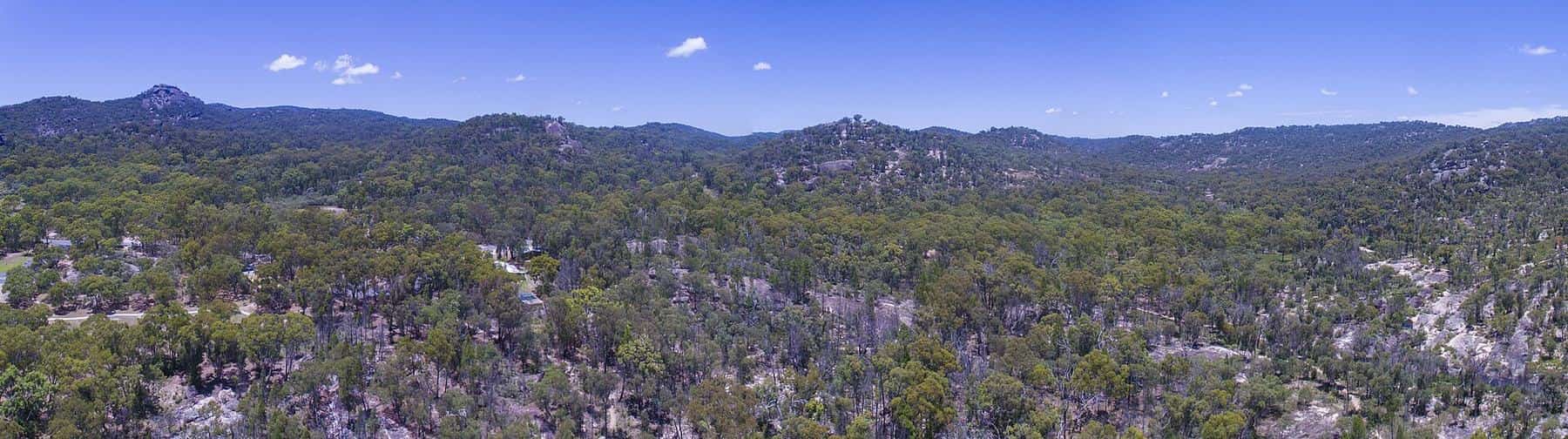
South East Queensland is one of the best places in Australia to start camping. Within a couple of hours of Brisbane you can camp in subtropical rainforest, on sand islands, beside large lakes or in granite country near the New South Wales border. The climate is mild for much of the year, though summer brings heat, humidity and storms, and winter nights in the ranges can be genuinely cold.
According to the Queensland Parks and Wildlife Service, there are around 525 camping areas in Queensland's parks and forests. They range from remote sites with no facilities to well-equipped camping areas with toilets, showers and picnic tables. QPWS camping areas do not have electricity, which is part of their appeal. You need a camping permit and must pay your fees before setting out, and bush camping, where allowed, should be well away from streams, lakes, walking tracks and picnic areas.
Outside the national parks, there are privately run holiday parks and campgrounds, many on or near water storages managed by Seqwater, as well as council and state forest campgrounds. Each has its own rules, especially on fires, generators and pets, so always read the specific information for your site.
Camping through the seasons
Spring (September to November) is often the sweet spot, with warm days and mild nights. It is also the start of the bushfire season in much of Queensland, so fire bans become more likely.
Summer (December to February) brings heat, humidity and storms. Choose shade, plan for rain, carry more water than you think you will need and keep the esky out of the sun. Pack a tarp and check your tent's waterproofing before you go.
Autumn (March to May) is a favourite season for many campers, with settling weather and cooler nights.
Winter (June to August) gives clear, dry days in much of the south-east, but nights can drop close to freezing in the ranges and on the Granite Belt. A properly rated sleeping bag and an insulated mat are essential.
How we write our guides
Every page on Camp Essentials is written from scratch. We draw facts from official and reputable sources and list those sources at the bottom of each page. We do not invent prices, test results or product specifications. Where rules apply, such as fire bans, permits or vehicle access permits, we tell you what they are and point you to the authority that sets them, because rules change and the official source always wins.
We are not affiliated with any park authority, retailer or brand. If you notice something out of date, please contact us and we will check and correct it. Read more on our about page and in our editorial policy.
Start planning your next trip
If you are new to camping, start with our beginner's guide and the packing list builder below. If you are upgrading your gear, start with the tent guide. If you are just looking for somewhere to go this weekend, head to where to camp.