Food is one of the great pleasures of camping, from a cooked breakfast at sunrise to a slow dinner as the light fades. But keeping food safe is harder at camp than at home. There is no fridge, temperatures can be high, washing up is basic and raw meat sits close to everything else. Food poisoning on a camping trip is miserable, and it is almost always avoidable.
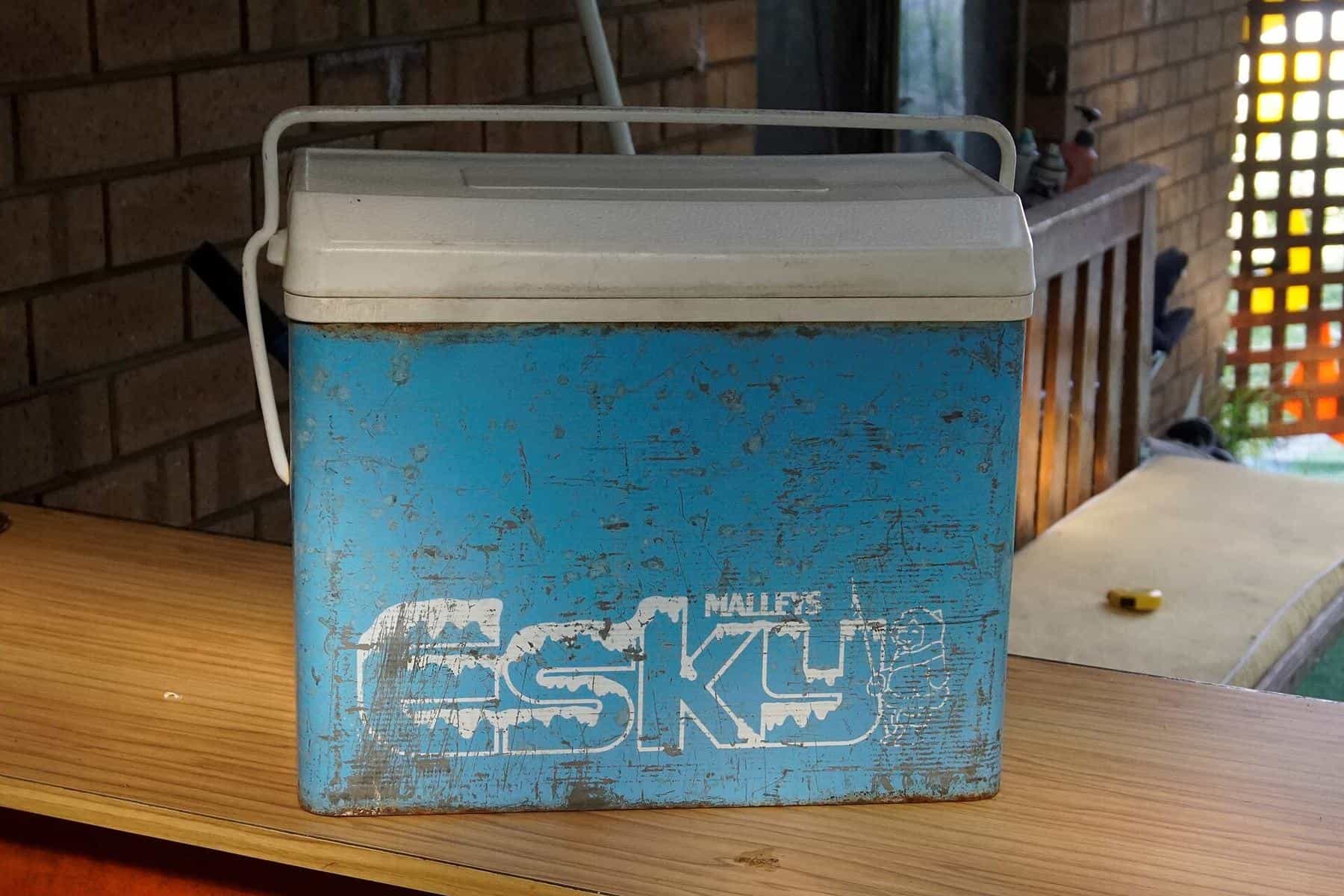
This guide covers how to pack and manage an esky (or cooler), the food safety rules that Queensland Health recommends for eating outdoors, and how to make water safe to drink. We do not recommend particular brands or quote prices. Note that Esky is a registered trade mark, though Australians commonly use the word for any portable cooler.
The temperature danger zone
Queensland Health describes the range between 5°C and 60°C as the temperature danger zone. In this range, the bacteria that cause food poisoning can grow quickly. The rules that follow are about keeping food out of that zone.
≤5°C
Cold food
Keep it at or below
≥60°C
Hot food
Keep it at or above
4 hours
Hot food limit
Uneaten after this? Bin it
- Keep cold food cold, at 5°C or below.
- Keep hot food hot, at 60°C or above, until you serve it.
- Throw out hot food that has not been eaten within four hours.
Packing your esky
Start cold
Queensland Health advises that food should be cold before it goes into the esky. An esky is good at keeping cold things cold, but poor at chilling warm food. Refrigerate or freeze food at home first, and pack the esky as close to departure as you can.
It also helps to pre-chill the esky itself, for example by filling it with ice or ice bricks the night before.
Use the right ice
Block ice and frozen bottles of water last longer than ice cubes because they have less surface area. Freezing some of your food, such as meat for the second or third night, adds cooling and keeps it safe for longer. Ice bricks avoid meltwater sloshing around, but loose ice fills gaps and keeps things colder.
Pack in layers
- Put the coldest and most perishable food at the bottom, with ice.
- Seal raw meat in leak-proof containers and keep it below other foods so it cannot drip onto them.
- Put food you will use first near the top.
- Fill empty space. A full esky stays cold longer than a half-empty one.
Separate raw food and drinks
Queensland Health suggests using separate eskies for raw food and for ready-to-eat food where possible. A separate drinks esky is also a good idea, because it gets opened far more often. Each time an esky is opened, cold air spills out.
Do not use ice from the food esky in drinks. It may have been in contact with raw meat or other food. Bring separate, clean ice for drinks.
Managing your esky at camp
- Keep it in the shade, off hot ground and out of the car on hot days. Cover it with a blanket or towel for extra insulation.
- Open it as little as possible. Plan what you need before you lift the lid.
- Drain meltwater carefully. Meltwater can help keep things cold, but it can also soak packaging and spread contamination. Keep food in sealed containers.
- Top up ice from a nearby town if you are staying several days.
- Plan meals so the most perishable food is eaten first, with long-life and tinned foods for the end of the trip.
Cooking and cleaning safely
Wash your hands. Bring soap and water, or hand sanitiser, and use them before preparing food and after handling raw meat or going to the toilet.
Use separate boards and utensils for raw meat and ready-to-eat food, or wash them thoroughly between uses.
Cook food thoroughly, especially sausages, minced meat and chicken, until they are cooked all the way through.
Serve hot food promptly and keep it hot, or cool and refrigerate leftovers quickly. If you cannot keep leftovers cold, it is safer to cook only what you will eat.
Wash up away from waterways. Use biodegradable soap in a wash tub, and scatter strained grey water well away from creeks and lakes.
Water at camp
Do not assume that the water at a campsite is safe to drink. Many campsites, including many national park camping areas, do not have treated drinking water, and tank, creek and lake water can carry germs. Check the official information for your campsite, and bring your own supply or a way to treat water.
Boiling water
Queensland Health advice for eating outdoors is to boil water to make it safe:
- Bring water to a rolling boil for one minute.
- If the water is cloudy, boil it for three minutes.
- Let it cool, then store it in clean, covered containers.
Boiling is reliable, but it uses fuel and time, so plan for it when you pack gas.
Other treatment methods
Portable filters, purification tablets and ultraviolet treatment devices are popular with hikers. Each works differently and has limits, especially with cloudy water. Follow the manufacturer's instructions carefully. Filtering cloudy water through a cloth before treatment helps.
How much water to bring
Needs vary with heat, activity and cooking. In hot weather you will need much more than you expect. If there is no reliable water at your campsite, bring enough for drinking, cooking and washing up for every day of your stay, plus a reserve.
A simple camp menu plan
Planning meals around food safety makes life easier:
- First night: fresh meat or a pre-cooked meal from home, eaten while everything is coldest.
- Second night: frozen meat that has thawed in the esky, or vegetarian meals.
- Later nights: tinned, dried and long-life foods such as pasta, rice, lentils, tuna and UHT milk.
- Breakfasts and lunches: cereal, bread, wraps, hard cheeses, fruit and long-life spreads.
Esky and food safety checklist
0 of 9 done
Ticks are saved in this browser only.
Related guides
Cooking at camp also means using a stove safely: see camp stoves and gas safety. For everything else to pack, see the ultimate camping checklist.
Frequently asked questions
What temperature should my esky be?
Cold food should be kept at 5°C or colder. Queensland Health describes 5°C to 60°C as the temperature danger zone, in which bacteria grow quickly. A small fridge thermometer in your esky tells you whether it is cold enough.
Should food be cold before it goes in the esky?
Yes. Queensland Health advises that food should already be cold, ideally from the fridge, before it goes into the esky. An esky keeps cold food cold; it is not good at chilling warm food.
Can I use the ice from my esky in drinks?
Queensland Health advises against it, because esky ice may have been in contact with raw meat or other food. Bring separate ice for drinks.
How long can cooked food sit out at camp?
Queensland Health advice is that hot food which has not been eaten within four hours should be thrown out.
How long should I boil water to make it safe?
Queensland Health advice is to bring water to a rolling boil for one minute, or three minutes if the water is cloudy. Let it cool and store it in clean, covered containers.
How can I make my ice last longer?
Pre-chill the esky, pack it full, use block ice or frozen bottles, keep it in the shade, open it as little as possible and use a separate esky for drinks.
Sources and further reading
Facts on this page were checked against these primary and official sources. Conditions change — confirm before you travel or buy.
- Eating outdoors — Queensland Government
- Camping safety — Queensland Government
- Where to camp — Queensland Parks and Wildlife Service