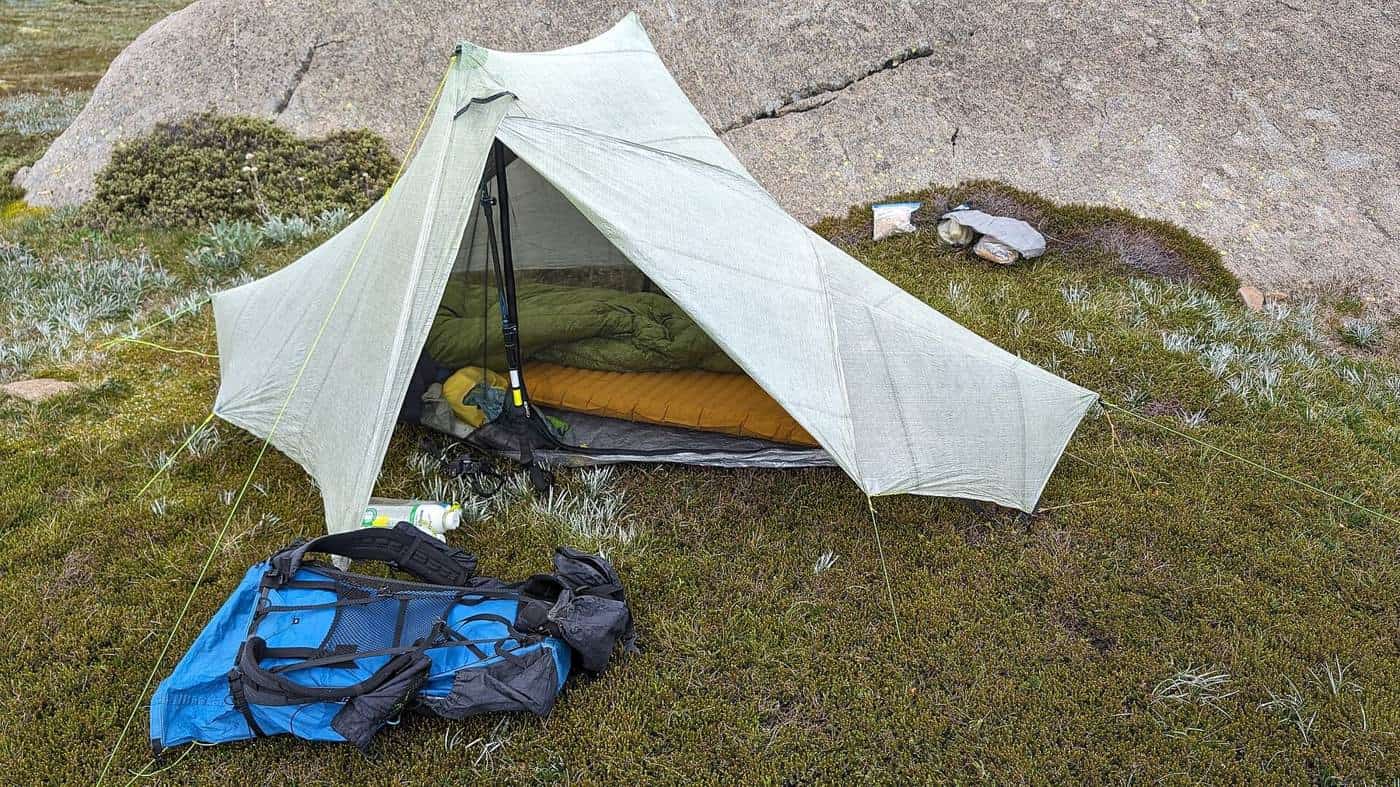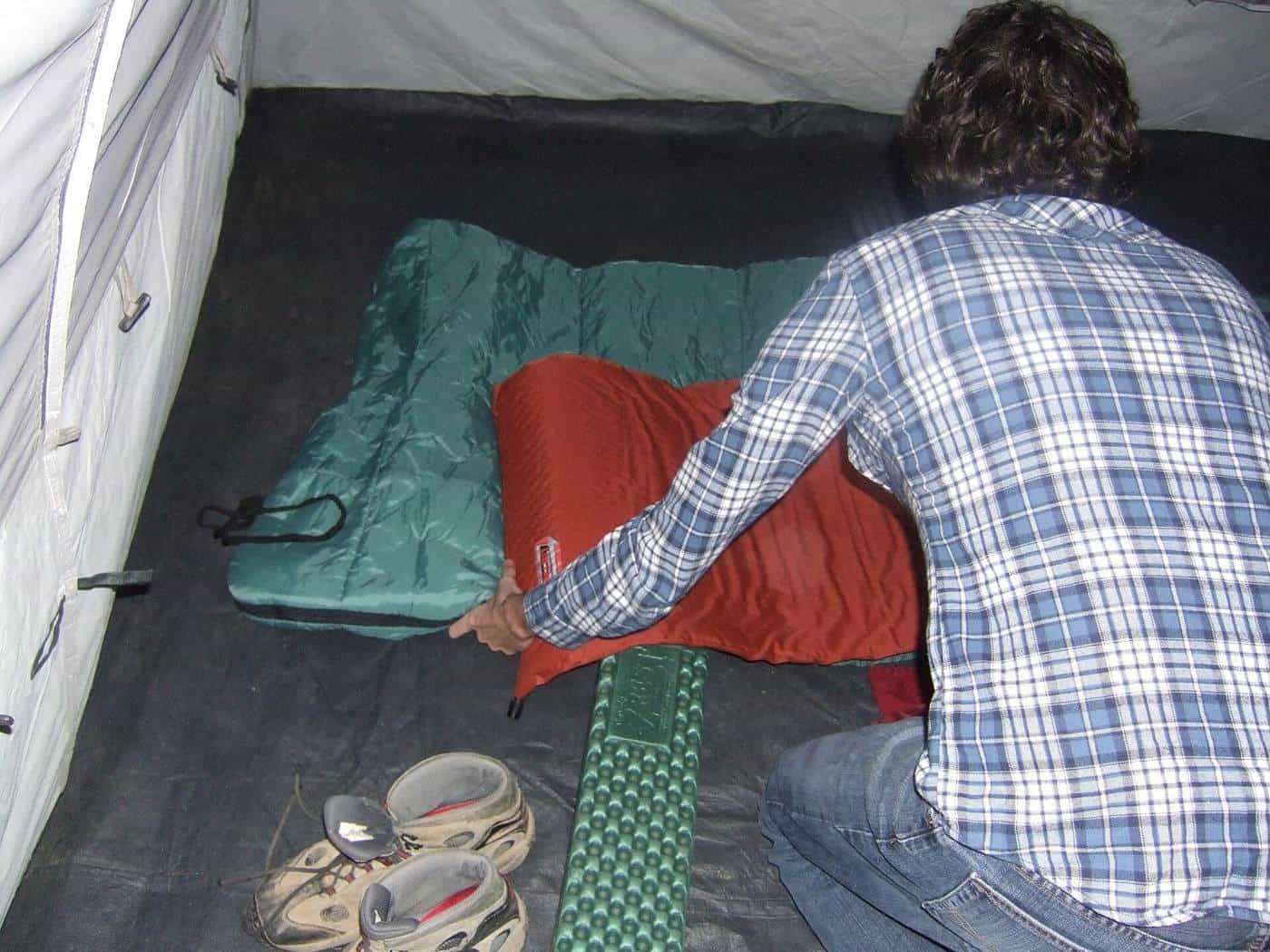
Ask experienced campers what makes or breaks a trip and many will say the same thing: sleep. A cold, sleepless night leaves everyone tired and grumpy the next day, and it is the most common reason first-time campers decide camping is not for them. The good news is that sleeping warm is mostly a matter of choosing the right bag and, just as importantly, the right mat.
This guide explains how sleeping bags are rated, the differences between fills and shapes, why your mat matters so much, and some simple habits for a warmer night. We do not recommend particular products or quote prices. Instead, we explain the standards and features so you can compare bags and mats yourself.
How sleeping bag temperature ratings work
For many years, sleeping bag temperature ratings were a free-for-all, with each brand using its own method. That made comparisons almost meaningless. In Europe, the EN 13537 standard was introduced in 2005 to standardise testing. In 2016, it was replaced by the international standard ISO 23537-1, which was revised in 2022 and is now widely used by reputable manufacturers.
The test uses a heated mannequin inside the bag to measure how well the bag insulates. It produces several temperatures:
- Upper limit: the highest temperature at which a standard adult man can sleep without excessive sweating.
- Comfort: the temperature at which a standard adult woman can sleep comfortably in a relaxed position.
- Lower limit (or limit): the lowest temperature at which a standard adult man, curled up, is in thermal balance and just not feeling cold.
- Extreme: where a label quotes it, a survival-only rating for a standard adult. It is not a temperature you should plan to sleep at.
The range between the comfort and lower limit figures is often described as a transition zone and is widely regarded as the most useful guide when buying.
2005
EN 13537 introduced
European standard
2016
ISO 23537-1
Replaced EN 13537
Comfort
Rating to use
Not the extreme figure
What the test assumes
Standard references note that sleeping bag tests assume the sleeper is wearing a base layer, socks and a hat, and lying on an insulated pad. If you sleep in fewer layers or on a thin mat, the bag will feel colder than its rating. People also vary: some sleep warm, others sleep cold, and you will feel the cold more if you are tired, hungry or damp.
Choosing a rating
Look up the typical overnight minimum for where and when you camp, and choose a bag with a comfort rating at or below that figure. If you sleep cold, or plan to camp in the ranges in winter, allow a margin. For warm summer nights, a lighter bag, or a bag you can unzip into a quilt, will be more comfortable than an overly warm one.
Be cautious about bags that quote a single temperature with no reference to a standard. Without a standard test, there is no way to know what that number means.
Down or synthetic fill?
Down is the soft under-plumage of ducks or geese. It traps a great deal of air for its weight, so down bags are light, compress small and keep their loft for many years with good care. Down usually costs more, and it has one big weakness: when it gets wet it clumps and loses most of its insulation. A soaked down bag can provide less warmth than no bag at all. Newer bags often have water-resistant shells, and some use treated down, to reduce this problem.
Synthetic fills use polyester fibres in various forms. They are heavier and bulkier than down for the same warmth, but they keep more of their insulation when damp, dry faster and are usually cheaper and easier to wash. For car camping, humid coastal trips or anyone on a budget, synthetic bags make a lot of sense.
Cotton and wool have also been used. Cotton is cheap but heavy and loses its warmth when wet, so it suits only fair-weather car camping. Wool resists moisture but is very heavy.
Bag shapes
- Rectangular bags are roomy and often unzip fully into a quilt. They suit car camping and warmer nights but are less thermally efficient.
- Mummy bags taper towards the feet and usually have a hood. They are warmer for their weight because there is less air to heat, but some people find them restrictive.
- Semi-rectangular or tapered bags are a compromise between the two.
- Double bags fit two people and suit couples who car camp.
For children, a child-sized bag is warmer than an adult bag, because there is less empty space to heat.
Why your sleeping mat matters
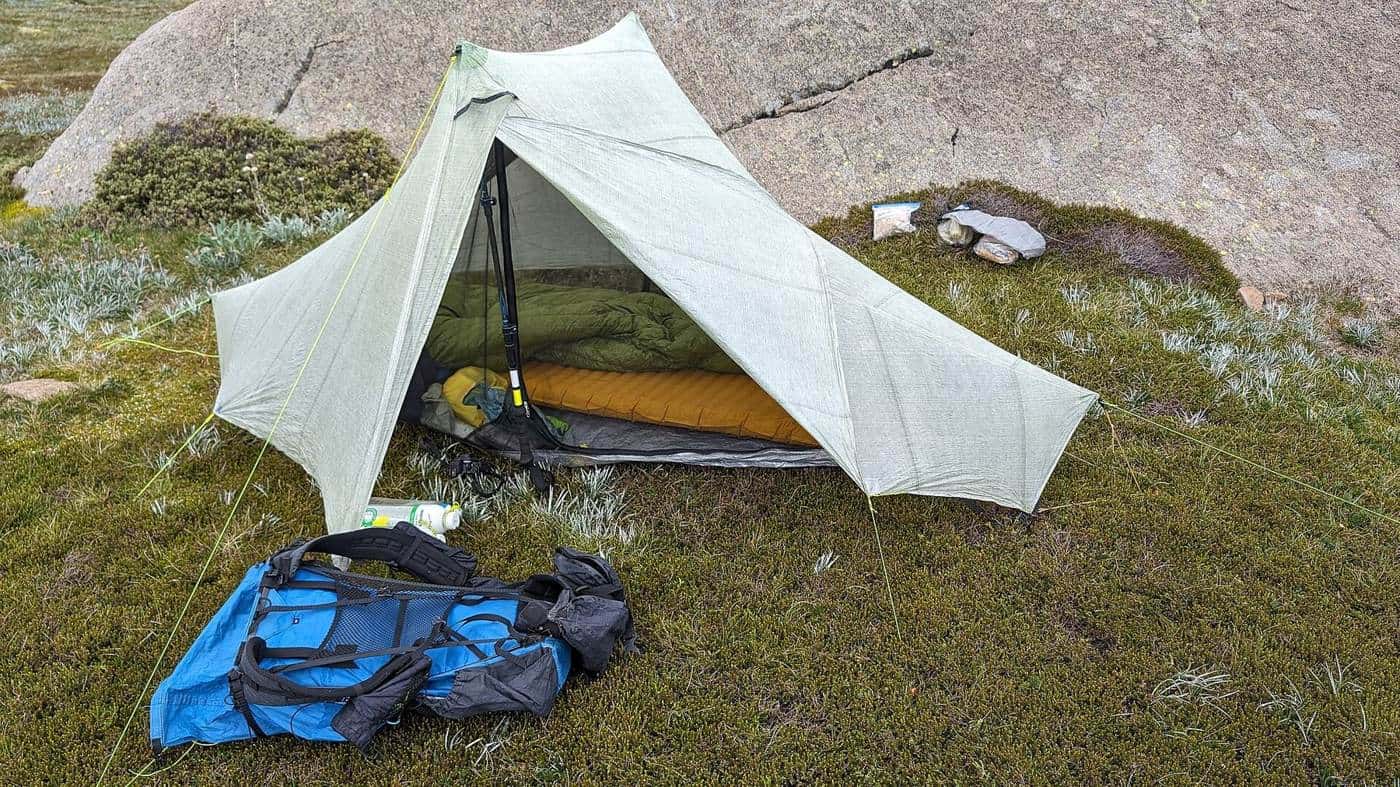
When you lie in a sleeping bag, your body weight crushes the insulation underneath you. That compressed layer does very little to stop heat flowing into the ground, and the ground can draw heat away much faster than the air. That is why a sleeping mat is not a luxury but a core part of your sleep system.
Types of mat
- Closed-cell foam mats are cheap, light, tough and cannot puncture. They are not very thick, so comfort is limited.
- Self-inflating mats combine open-cell foam and air. Open the valve and they partly inflate themselves. They are comfortable and reasonably warm, and a popular choice for car camping.
- Air mattresses and inflatable pads range from thick, comfortable car-camping mattresses to light hiking pads. Uninsulated air mattresses can feel cold, because the air inside circulates and carries heat away; insulated hiking pads address this.
- Stretchers or camp beds lift you off the ground. They need a mat or insulation on top in cool weather, because cold air circulates underneath.
R-values
Many mats quote an R-value, which measures resistance to heat flow. A higher R-value means more insulation. Standard references on sleeping bag testing note that bag ratings assume a pad with an R-value of around 5.5 in some test set-ups, which shows how much the mat contributes. For mild summer nights a modest R-value may be enough. For winter in the ranges, look for a well-insulated mat, or stack a foam mat under an inflatable one.
Habits for a warmer night
- Change into dry clothes before bed. Sweat and damp clothes rob you of warmth.
- Wear a beanie and socks. You lose a lot of heat from your head and extremities.
- Eat a proper dinner and have a warm drink before bed.
- Go to the toilet before you get in. Your body wastes energy keeping a full bladder warm.
- Do not breathe into the bag. The moisture from your breath dampens the insulation.
- Air your bag each morning so overnight moisture can escape.
- Use a liner to add a little warmth and keep the bag clean.
Caring for your sleeping bag
Keep your bag clean and dry, and store it loosely. Standard advice is to use a large storage sack, or hang the bag, rather than leaving it in its small compression sack, which crushes the insulation over time. Follow the manufacturer's washing instructions carefully, especially for down, and make sure the bag is completely dry before you store it.
Sleep system checklist
0 of 6 done
Ticks are saved in this browser only.
Related guides
Pair a good sleep system with the right shelter: see how to choose a tent. For cold-weather trips, check our camping checklist for extra layers.
Frequently asked questions
Which sleeping bag temperature rating should I look at?
The comfort rating. Under ISO 23537, it is the temperature at which a standard adult woman can sleep comfortably in a relaxed position. Choose a bag with a comfort rating at or below the coldest night you expect.
What does the extreme rating on a sleeping bag mean?
It is a survival-only rating. It is not a temperature at which you will sleep, or even be safe, for long. Never choose a bag based on its extreme rating.
Is down or synthetic better?
Down is lighter and packs smaller for the same warmth, but it loses most of its insulation when wet and usually costs more. Synthetic fill is heavier and bulkier but keeps more warmth when damp and is easier to care for.
Why am I cold even in a warm sleeping bag?
Often it is the ground. Your body weight crushes the insulation underneath you, so heat is lost to the ground. A well-insulated mat usually solves the problem. Moisture, from sweat or a damp bag, also reduces warmth.
What is an R-value on a sleeping mat?
R-value measures a mat's resistance to heat flow. A higher R-value means more insulation from the ground. Sleeping bag ratings are tested with the sleeper on an insulated pad, so a thin mat makes any bag feel colder.
How should I store my sleeping bag?
Loosely, in a large storage sack or hanging up, rather than in its small compression sack. Long-term compression damages the insulation.
Sources and further reading
Facts on this page were checked against these primary and official sources. Conditions change — confirm before you travel or buy.
- Sleeping bag — Wikipedia
- ISO 23537-1:2022 Requirements for sleeping bags — Part 1 — International Organization for Standardization
- Camping safety — Queensland Government