The camping aisle can be overwhelming. Every product claims to be waterproof, lightweight, warm and easy to set up, and prices range from a cheap weekend's worth to serious money. The good news is that a handful of specifications tell you most of what you need to know, and none of them are hard to understand.
This hub gathers our gear guides. Each one explains how a type of gear works, which numbers matter, how to match it to your kind of camping and how to use it safely. We do not publish "best of" rankings based on tests we have not done, and we do not invent prices or specifications. Instead, we give you the knowledge to compare products yourself, whether you are browsing online or standing in a store.
Our gear guides
- How to choose a tent: dome, tunnel, frame and instant tents; single and double skin designs; hydrostatic head ratings; vestibules, groundsheets and footprints; and how to size a tent for your group.
- Sleeping bags and mats: what the ISO 23537 comfort, limit and extreme ratings mean, down versus synthetic fill, bag shapes, and why your mat matters as much as your bag.
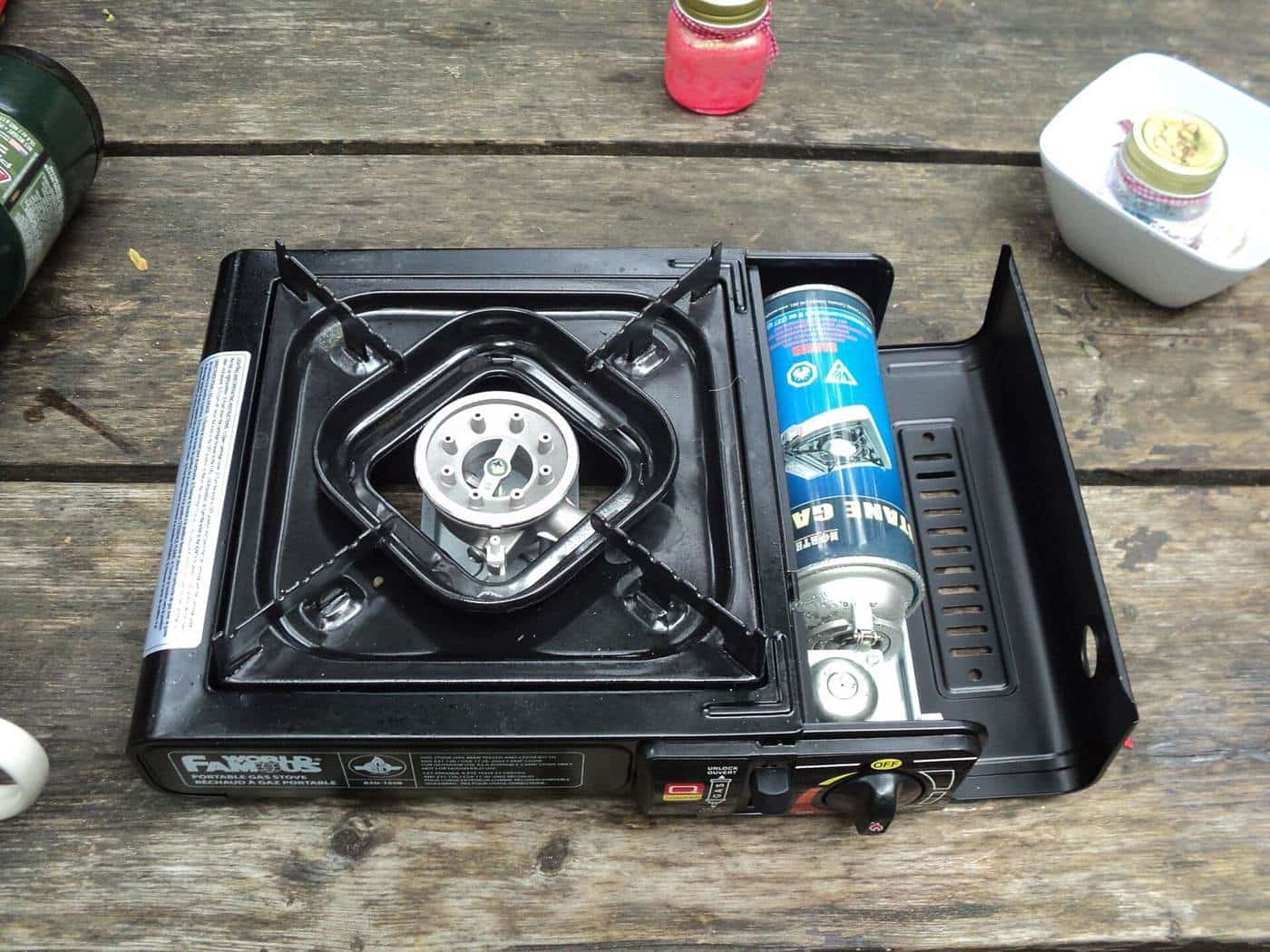
- Camp stoves and gas safety: butane cartridge stoves, LPG burners, canister stoves for hiking and solid-fuel cookers, with the safety rules that apply to all of them and what you can use during a fire ban.
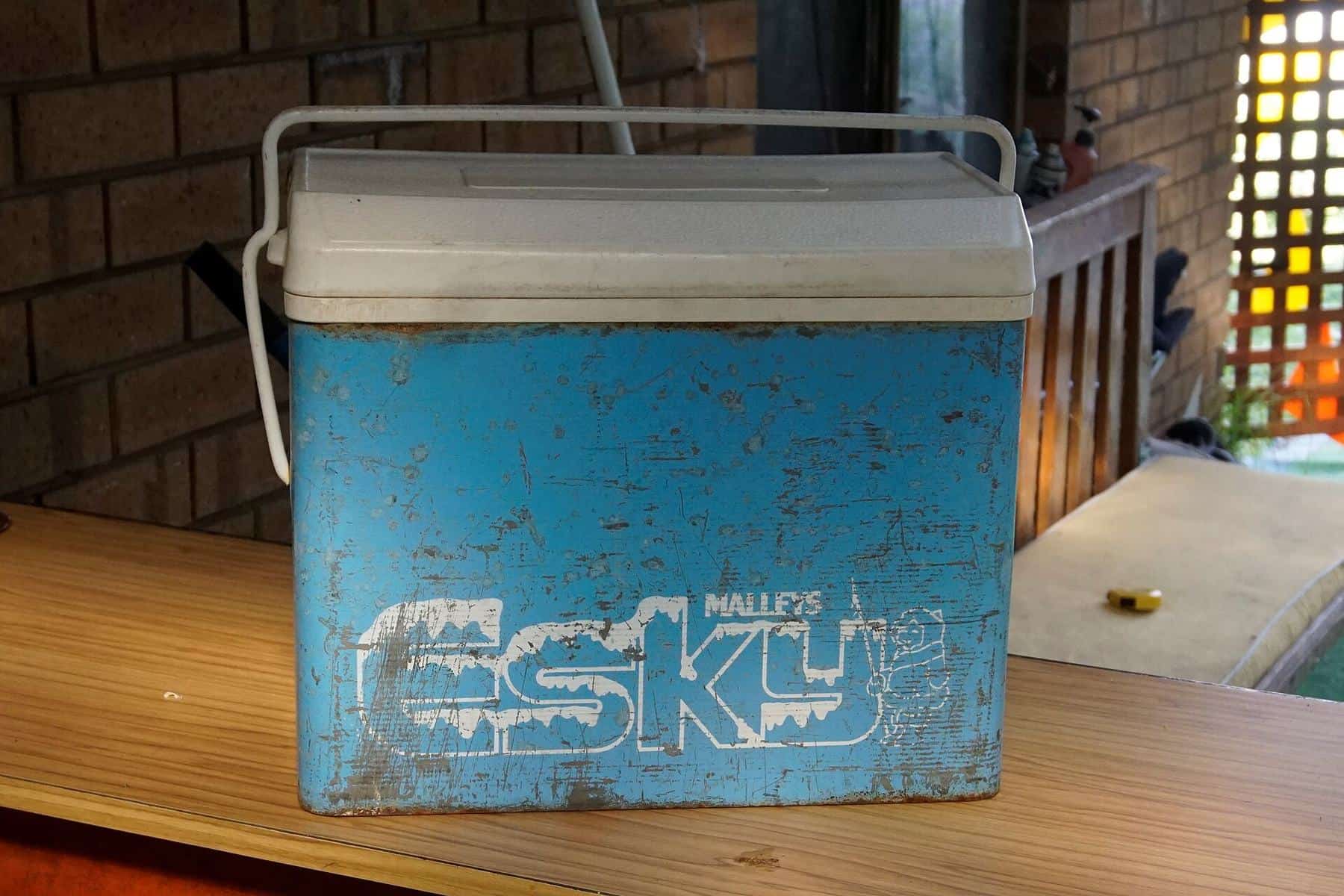
- Eskies and camp food safety: how to pack a cooler, keep food out of the temperature danger zone, and make drinking water safe.
Start with what matters most
If you are building a kit from scratch, spend your money in this order.
1. Sleep system. Your sleeping bag and mat decide whether you sleep well, and sleeping well decides whether you enjoy camping. A good mat makes a bigger difference than most people expect, because the ground drains heat from your body much faster than the air does.
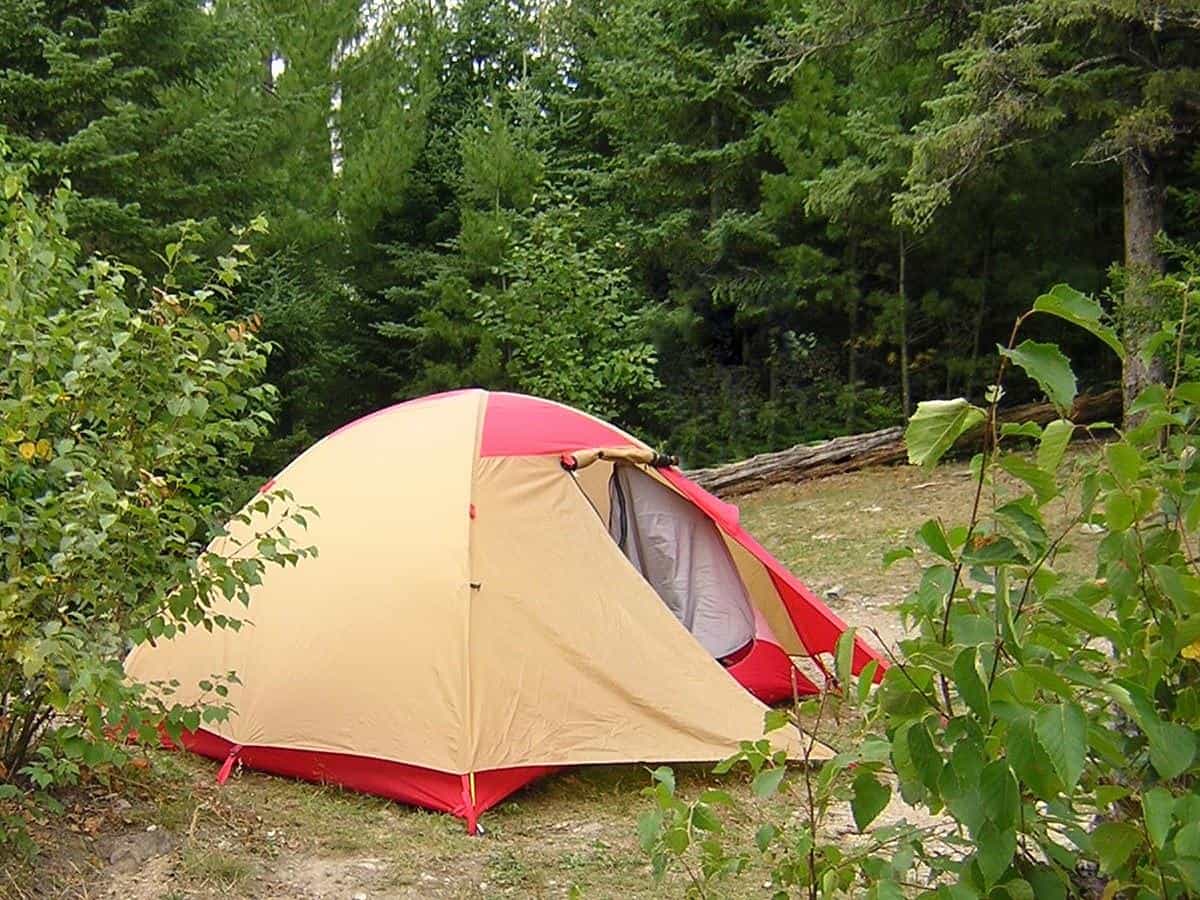
2. Shelter. A tent with a full-length flysheet, a waterproof groundsheet and poles that will stand up to wind will serve you for years. If you mostly car camp in fair weather, a simple dome may be all you need. If you camp in summer storms or windy coastal sites, look harder at fabric ratings and pole quality.
3. Kitchen. A reliable two-burner or single-burner stove, a pot and pan, utensils and a good esky cover most needs. A wash tub and biodegradable soap keep the clean-up simple.
4. Safety basics. A first aid kit including a snake bite bandage, head torches for everyone, a map and a way to call for help. These cost little and matter a lot.
5. Comfort. Chairs, a table, a lantern and a shade shelter make camp more pleasant, but you can live without them on your first trips.
The numbers that matter
Tent hydrostatic head
Tent fabrics are usually rated for rain resistance by their hydrostatic head, in millimetres. The figure indicates how much water pressure is needed to push water through the fabric. As a rough guide, fabric rated at 1,000 mm or less is best treated as shower resistant, around 1,500 mm is usually suitable for summer camping, and tents for year-round use generally have at least 2,000 mm. Groundsheets are often rated much higher, because kneeling or lying on wet ground pushes water through with more force.
Sleeping bag temperature ratings
Since 2016, the international standard ISO 23537-1 has set out how sleeping bags are tested, using a heated mannequin. It produces a comfort temperature, a lower limit and an extreme rating. The comfort figure is the most useful for most people. The extreme figure is a survival-only rating and should never be used to choose a bag for normal camping. Be wary of bags that quote a single temperature with no reference to a standard.
Esky ice retention claims
Esky and cooler makers often quote how many days ice will last. Those figures depend heavily on the test conditions, such as how full the esky is, how often it is opened, how hot it is and whether it is in the sun. Use them to compare products from the same maker rather than as a promise. A thermometer in your esky tells you what is really happening.
Stove output
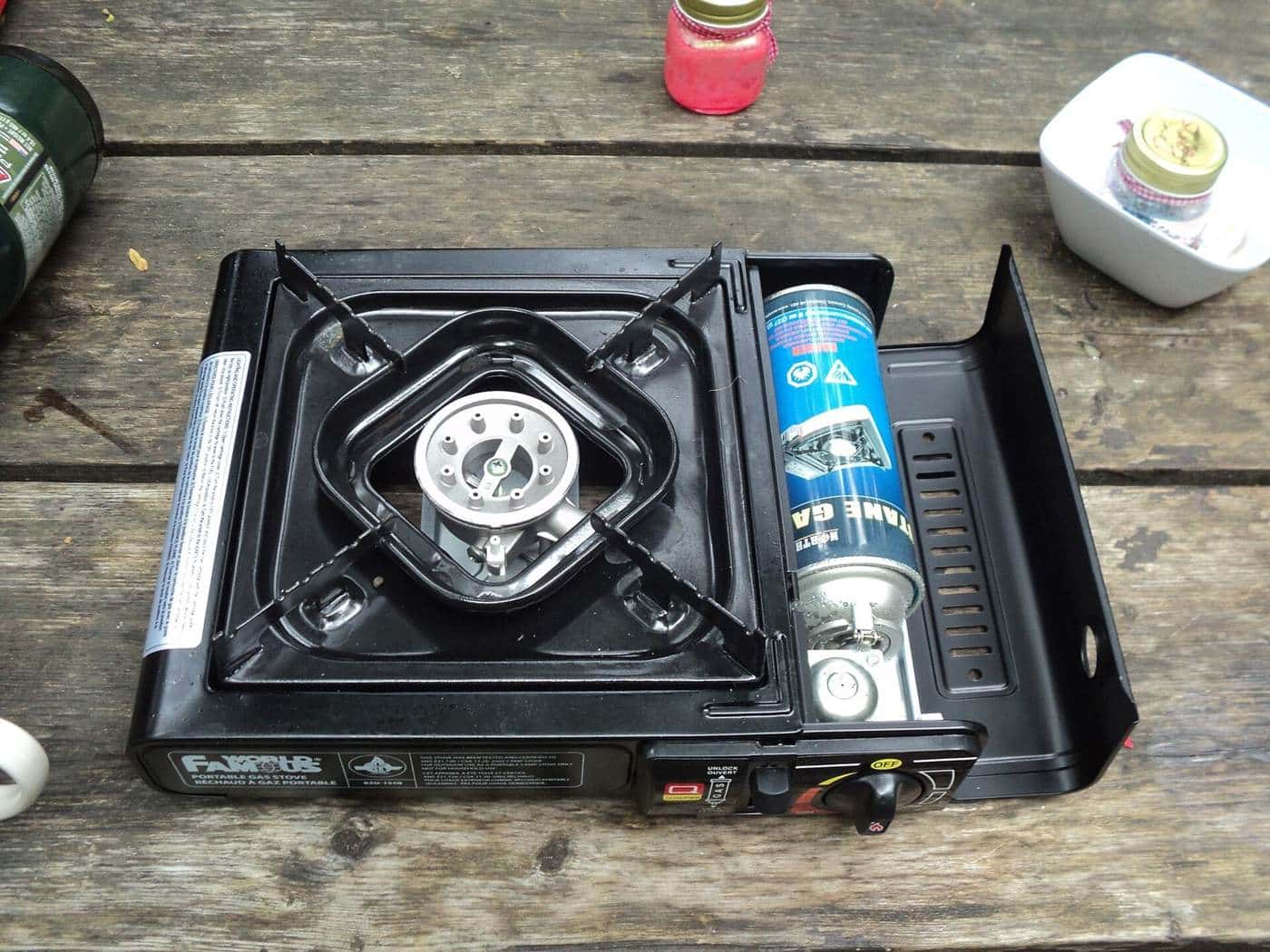
Stove output is often given in megajoules per hour or watts. Higher output boils water faster but uses fuel faster. For most camp cooking, simmer control and stability matter more than raw power.
Buying, borrowing and hiring
You do not have to buy everything at once. Many outdoor stores hire out tents, sleeping bags and stoves, and friends and family often have gear sitting in the garage. A borrowed set-up for your first trip teaches you more about what you need than any review. When you do buy, think about how you really camp: a family that drives to a powered site most weekends needs different gear from a couple who hike into a national park twice a year.
Looking after your gear
Good gear lasts much longer when you care for it.
- Dry everything before storing it. A tent or sleeping bag packed away damp can develop mould and mildew within days. If you have to pack up wet, unpack and air everything as soon as you get home.
- Store sleeping bags loosely. Long-term storage in a tight compression sack crushes the insulation. A large storage sack or hanging the bag is better.
- Keep tents out of strong sun when not in use. Ultraviolet light slowly breaks down nylon and polyester fabrics.
- Check gas fittings and hoses. Look for cracks, perishing rubber and damaged threads before every trip.
- Wash and dry your esky. Clean it with warm soapy water after each trip and leave the lid open to dry.
Before-trip gear check
0 of 7 done
Ticks are saved in this browser only.
Related reading
For the habits that go with the gear, see our camping tips hub, especially the ultimate camping checklist. For somewhere to try out your kit, see where to camp.
Guides in this section
Camping gear
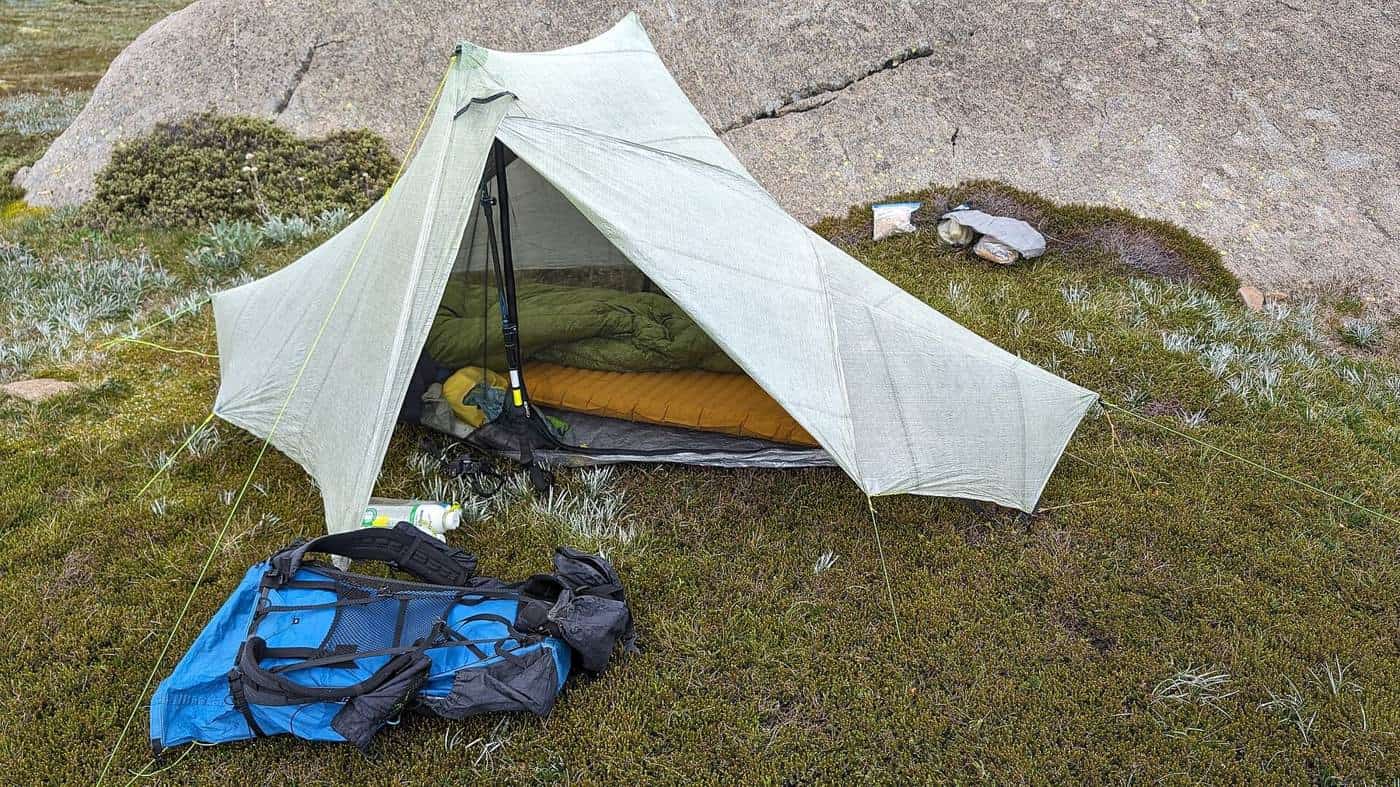
How to choose a camping tent
How to choose a camping tent in Australia: dome, tunnel, frame and instant designs, single vs double skin, hydrostatic head ratings, vestibules and sizing.
Read · 6 min
Camping gear
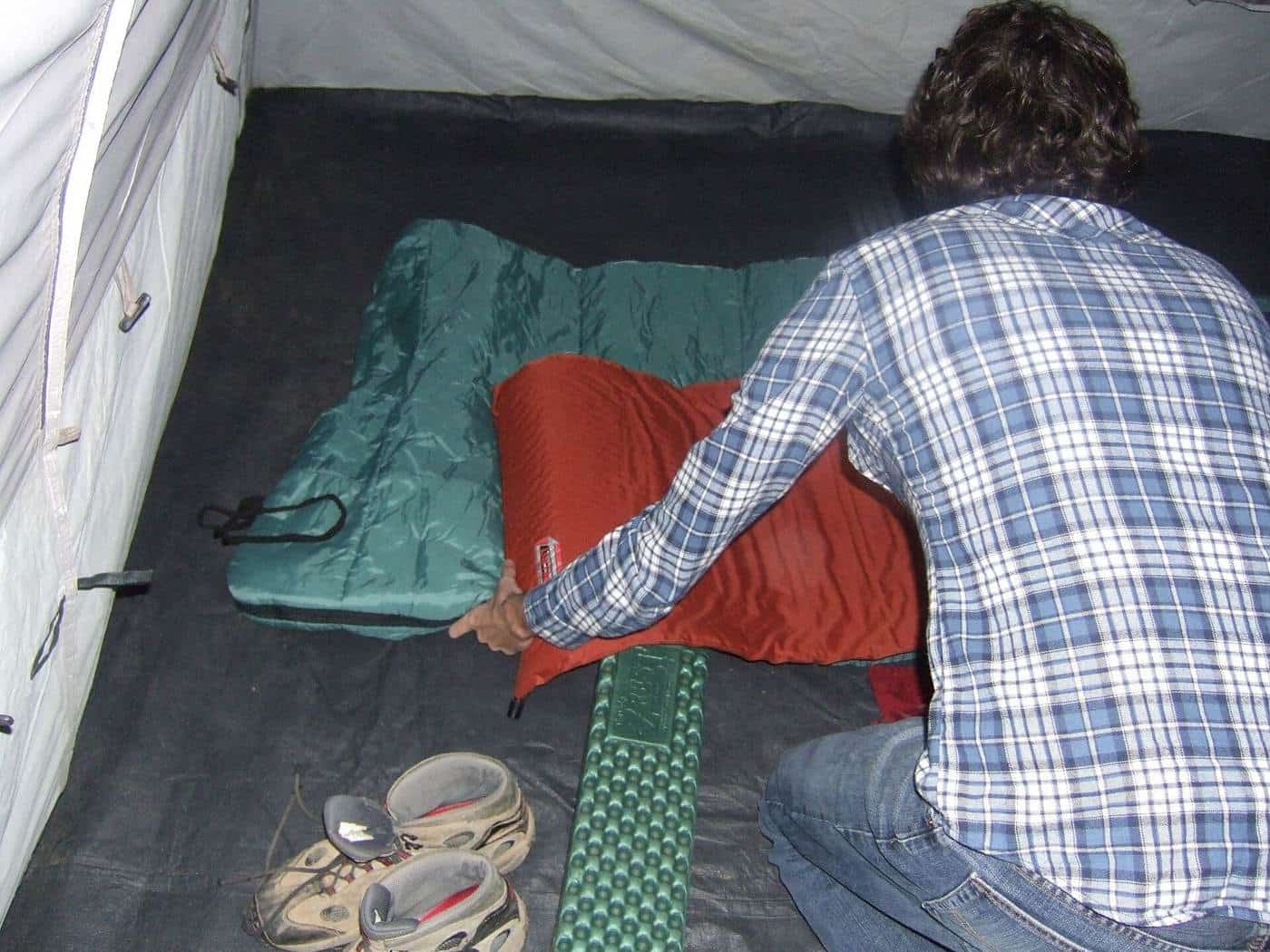
Sleeping bags and mats
How to choose a sleeping bag and mat for camping in Australia: ISO 23537 comfort and limit ratings, down vs synthetic fill, bag shapes and mat insulation.
Read · 6 min
Camping gear
Camp stoves and gas safety
How to choose a camp stove in Australia, from butane cartridge cookers to LPG burners and hiking stoves, with Queensland gas safety advice and fire ban rules.
Read · 5 min
Camping gear
Eskies and camp food safety
How to pack an esky for camping, keep food out of the 5–60°C danger zone, store raw meat safely and make water safe to drink, based on Queensland Health advice.
Read · 5 min
Frequently asked questions
What camping gear should I buy first?
Prioritise the things that affect sleep and safety. A tent that suits your group and the season, a sleeping bag with a suitable comfort rating and a sleeping mat come first. A stove, esky, first aid kit and torches come next. Chairs, tables and gadgets can wait.
Should I buy cheap gear for my first trip?
Inexpensive gear can work well for fair-weather car camping. The main risks are tents with low waterproof ratings and poor poles, and sleeping bags whose ratings are not measured to a standard. Borrowing or hiring gear for a first trip is a good way to learn what you actually need.
What does hydrostatic head mean on a tent?
It is a measure of how much water pressure a fabric can resist, expressed in millimetres. Around 1,500 mm is usually suitable for summer camping, and tents for year-round use generally have at least 2,000 mm.
What is a sleeping bag comfort rating?
Under the ISO 23537 standard, the comfort rating is the temperature at which a standard adult woman can sleep comfortably in a relaxed position. It is the most useful figure for choosing a bag.
Can I use my camp stove in the tent vestibule if it is raining?
Queensland Government safety advice is never to use portable gas appliances inside a tent, caravan or other enclosed space. Use a tarp or shelter that is open to the air instead.
Do you test the products you mention?
We do not run lab tests and we do not publish product rankings based on tests we have not done. Our guides explain features and standards so you can compare products yourself.
Sources and further reading
Facts on this page were checked against these primary and official sources. Conditions change — confirm before you travel or buy.
- Tent — Wikipedia
- Sleeping bag — Wikipedia
- Camping safety — Queensland Government
- Eating outdoors — Queensland Government