Good gear helps, but good habits matter more. The campers who look relaxed at the end of a weekend are rarely the ones with the most expensive kit. They are the ones who packed thoughtfully, pitched before dark, checked the fire danger, kept their food cold and left their site cleaner than they found it.
This hub gathers our practical camping tips, from your very first night under canvas to the safety rules that every camper in Queensland should know. Each guide draws on official sources such as the Queensland Government, the Queensland Parks and Wildlife Service (QPWS) and the Queensland Fire Department, and links to them so you can check the latest information yourself.
Our camping tips guides
- The ultimate camping checklist: a complete, categorised list for car camping, with notes on what to add for hike-in, beach and caravan trips. Tick it off as you pack.
- Camping for beginners: how to choose your first campsite, book a permit, plan meals, set up camp and handle the first night, plus the common mistakes to avoid.
- Campfire safety and fire bans: when and where you can light a fire, how fire bans and park fire prohibitions work, the fire danger rating system and how to put a fire out properly.
- Leave No Trace camping: the seven principles applied to Australian campsites, from rubbish and toilets to wildlife and noise.
Ten tips we wish everyone knew
1. Practise at home. Pitch your tent in the backyard or a park before your trip. Check that all the poles, pegs and guy ropes are there. Inflate the mattress. Light the stove. You will be grateful when you arrive at dusk.
2. Arrive with daylight to spare. Setting up camp takes longer than you think, especially with children. Aim to arrive with at least two hours of daylight left.
3. Check the three things on the day. The weather forecast, fire bans and restrictions, and park alerts for closures and conditions. Conditions change quickly, and an alert issued that morning can close a road or campground.
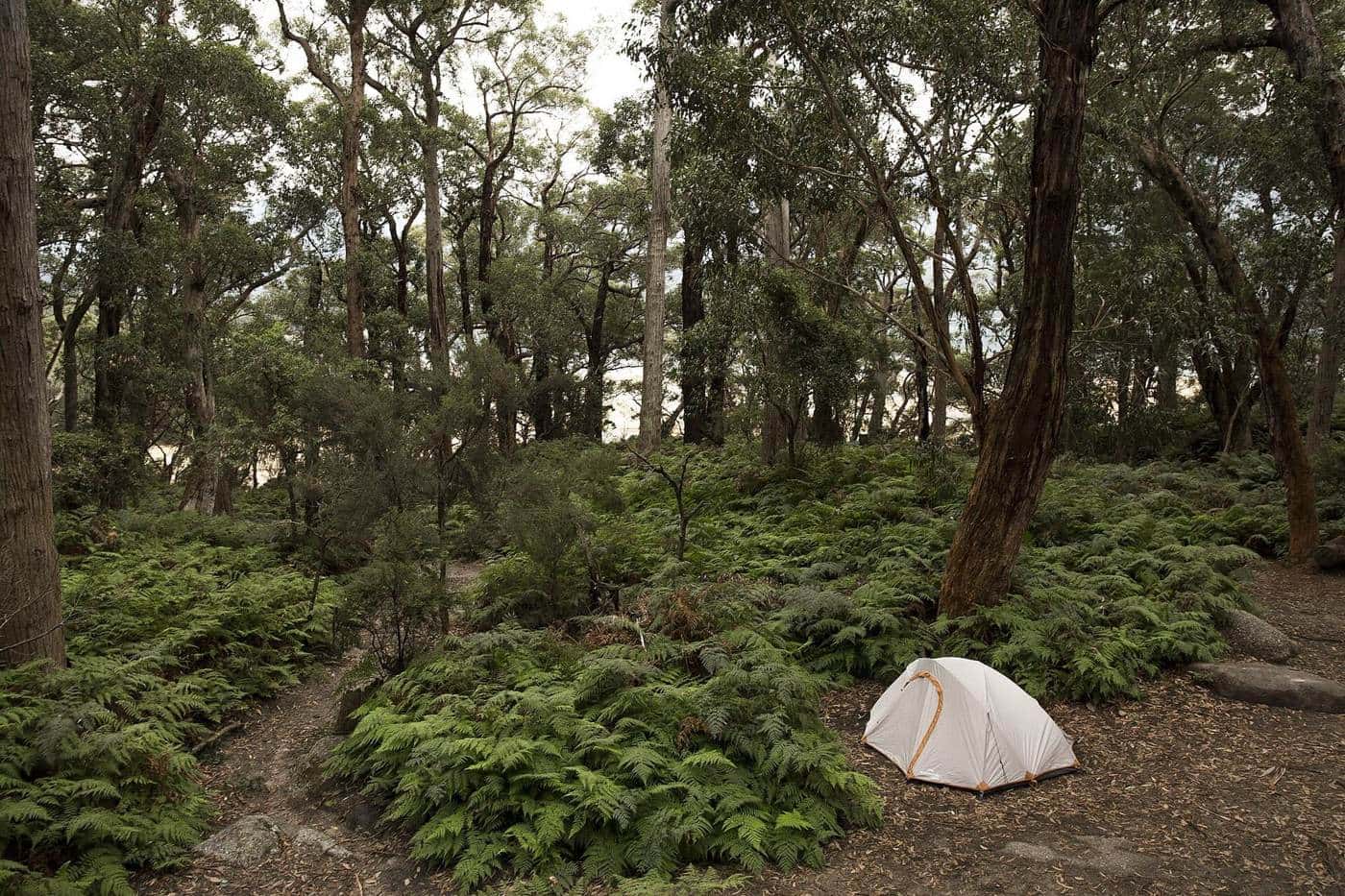
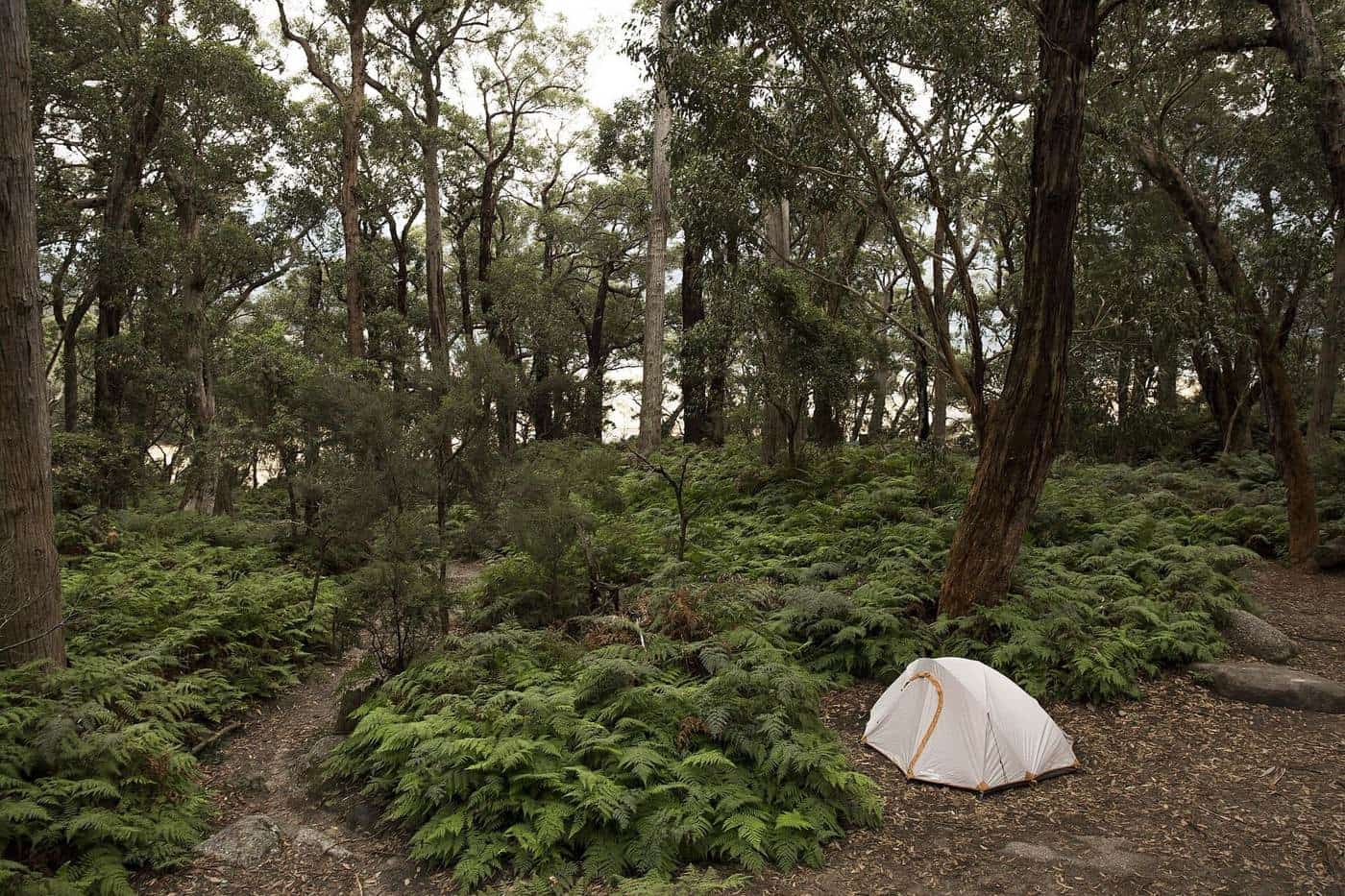
4. Choose your tent site carefully. Look up before you pitch: avoid camping under dead branches or trees that could drop limbs. Look down too: avoid hollows that will collect water if it rains, and clear away sticks and stones from under the tent.
5. Keep your esky shut and shaded. Every time you open it, cold air escapes. A separate esky for drinks means the food esky stays closed most of the day. Keep perishable food at 5°C or colder.
6. Never bring a gas appliance into a tent. Portable gas stoves, heaters and lights can cause fires and carbon monoxide poisoning in enclosed spaces. Cook outside, under a tarp that is open to the air if it is raining.
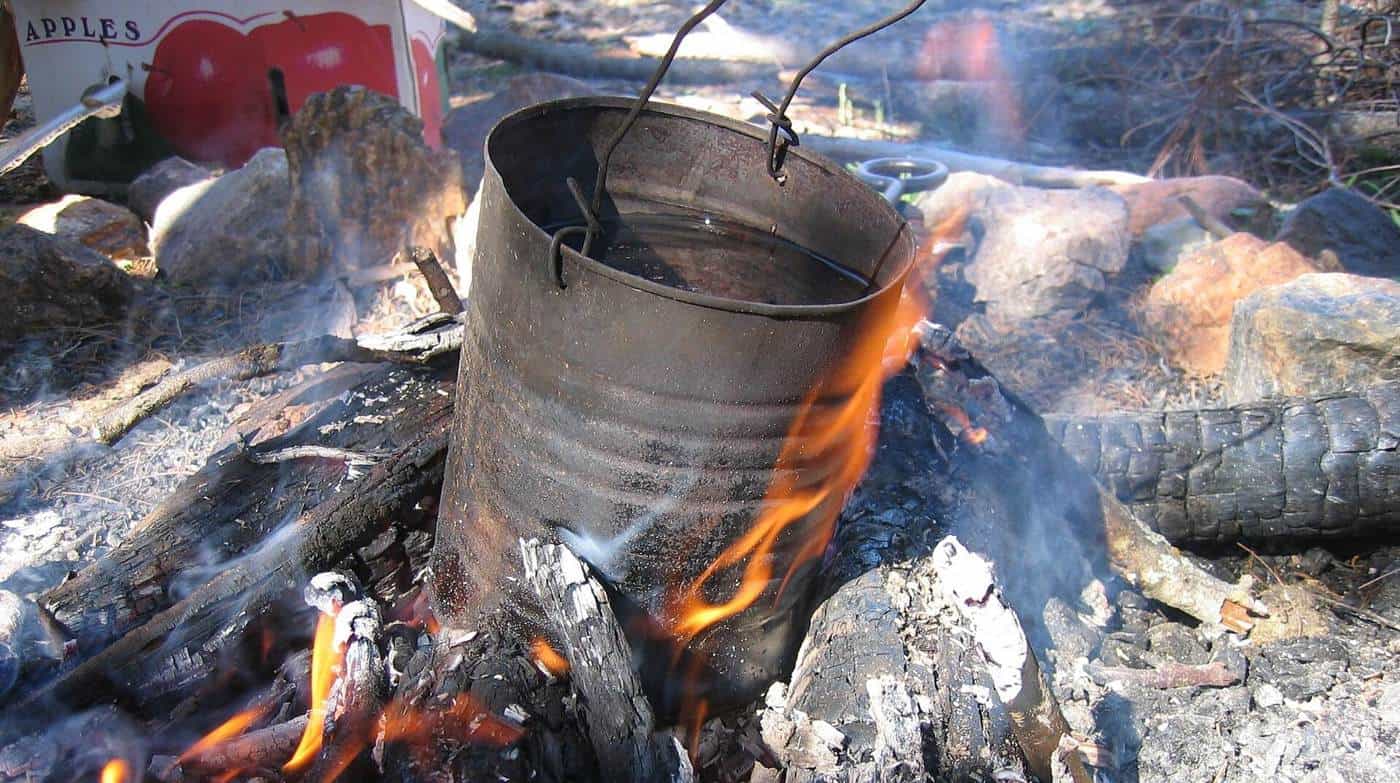
7. Treat your water. Unless you are sure your water supply is treated and safe to drink, boil it or treat it. Queensland Health advises boiling water vigorously for one minute, or three minutes if it is cloudy.
8. Bring firewood, don't collect it. In Queensland parks and forests, fallen timber is protected habitat. Bring clean firewood from outside the area, and only light a fire where and when it is allowed.
9. Take everything out. Many campsites have no bins. Pack rubbish bags and take everything home, including food scraps.
10. Be a good neighbour. Sound carries a long way at a quiet campsite. Keep music low, respect quiet hours and give other campers space.
Safety first: fire, food and water
Three safety topics come up again and again in official advice.
Fire. Campfires are a highlight of camping, but they are also a serious bushfire risk. In Queensland, the Queensland Fire Department can declare fire bans, and QPWS can impose fire prohibitions in parks, even when there is no wider fire ban. During a fire ban, wood fires, fire rings, wood barbecues and appliances using ash-producing fuels such as heat beads are banned, though gas and electric barbecues and gas and spirit stoves may be used if they meet safety conditions. Our campfire safety guide explains the details.
Food. Queensland Health describes 5°C to 60°C as the temperature danger zone, in which bacteria can grow quickly. Keep cold food at 5°C or colder and hot food at 60°C or hotter. Pack food cold before it goes in the esky, keep raw meat separate and throw out hot food that has not been eaten within four hours.
Water. Do not assume that tank, creek or lake water is safe to drink. Boil or treat it unless the land manager says it is treated drinking water.
Camping with children
Children often love camping more than adults, especially when they have jobs to do. Let them help pitch the tent, collect water or plan a meal. A few extra precautions make family trips smoother:
- Give each child their own head torch and a whistle, and teach them to stay put and blow it if they get lost.
- Set clear rules about the campfire area, the stove and water before you arrive.
- Choose a site with toilets and drinking water for your first family trips.
- Pack a spare set of clothes for each child, plus a favourite toy or game for the tent.
- Keep the first trip short. One or two nights close to home is plenty.
Day-of-departure checks
0 of 6 done
Ticks are saved in this browser only.
Related reading
Pair these tips with our camping gear guides and then pick a destination from where to camp. If you are new to camping, start with camping for beginners.
Guides in this section
Camping tips
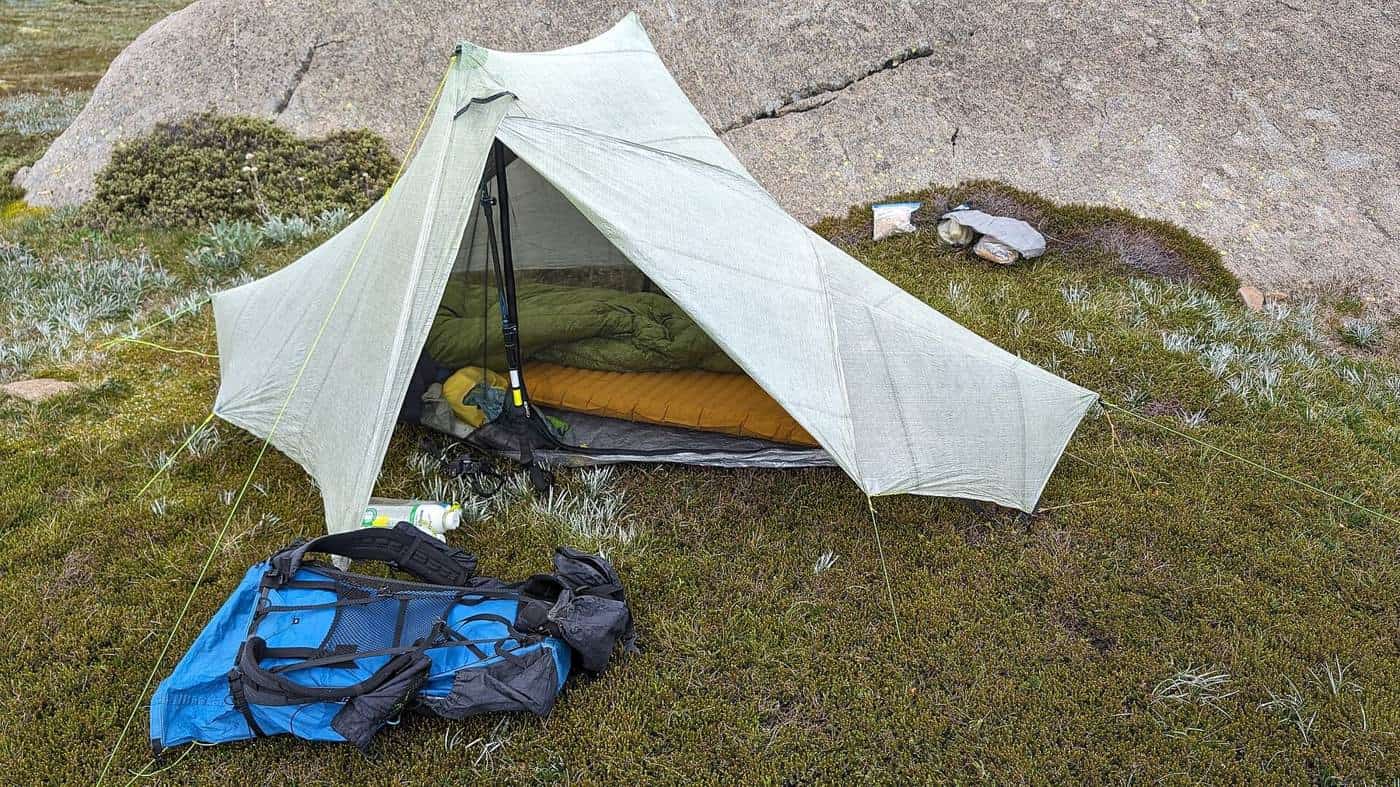
The ultimate camping checklist
A complete camping checklist for Australian trips: shelter, sleep, kitchen, water, clothing, safety and extras for car, hike-in, beach and caravan camping.
Read · 3 min
Camping tips
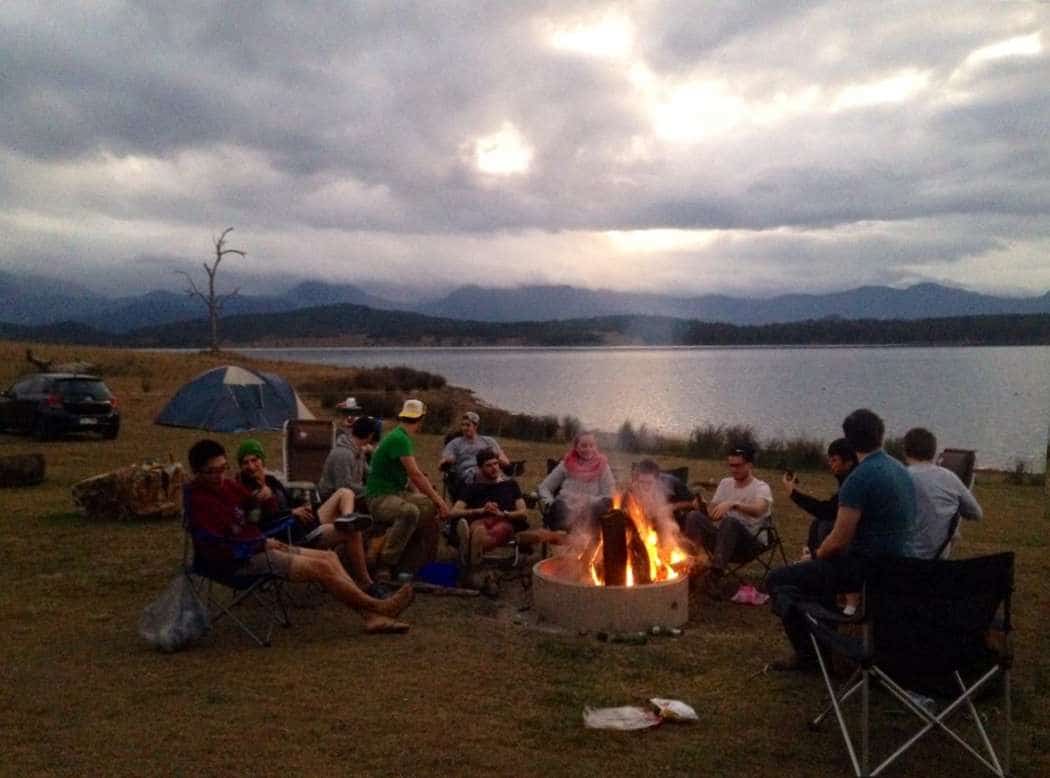
Camping for beginners
A beginner's guide to camping in Australia: choosing a first campsite, permits, gear, setting up camp, the first night and mistakes to avoid.
Read · 5 min
Camping tips
Campfire safety and fire bans
When and where you can light a campfire in Queensland, how fire bans and QPWS fire prohibitions work, fire danger ratings, and how to put a campfire out safely.
Read · 6 min
Camping tips
Leave No Trace camping
How to camp the Leave No Trace way in Australia: the seven principles applied to campsites, rubbish, toilets, campfires, wildlife and other visitors.
Read · 5 min
Frequently asked questions
What is the most common camping mistake?
Not practising with gear before the trip. Pitching an unfamiliar tent in the dark, in the rain, with missing pegs, is the classic start to a bad weekend. A dry run in the backyard solves most problems.
How do I find out if there is a fire ban?
The Queensland Fire Department publishes current fire bans and restrictions. Park-specific fire prohibitions from QPWS are listed in park alerts. Check both on the day you plan to light a fire.
Can I collect firewood in a national park?
Not in Queensland parks and forests. QPWS says all timber and tree branches within the area are protected and cannot be collected. Bring clean firewood and kindling from outside the area.
What should I do with rubbish at camp?
Take it all out with you, including food scraps. Many campsites do not have bins. Pack rubbish bags and a container for food waste, and never bury or burn rubbish.
How far from water should I camp?
QPWS asks bush campers to camp well away from streams, lakes, walking tracks and picnic areas. In formal camping areas, use the marked sites.
Is camping safe for children?
Yes, with supervision and planning. Give each child a torch and a whistle, set clear rules about the campfire and water, and choose a site with facilities for your first family trips.
Sources and further reading
Facts on this page were checked against these primary and official sources. Conditions change — confirm before you travel or buy.
- Camping safety — Queensland Government
- Camp fires and cooking — Queensland Parks and Wildlife Service
- Lighting fires in Queensland — Queensland Fire Department
- The seven principles — Leave No Trace
- Where to camp — Queensland Parks and Wildlife Service