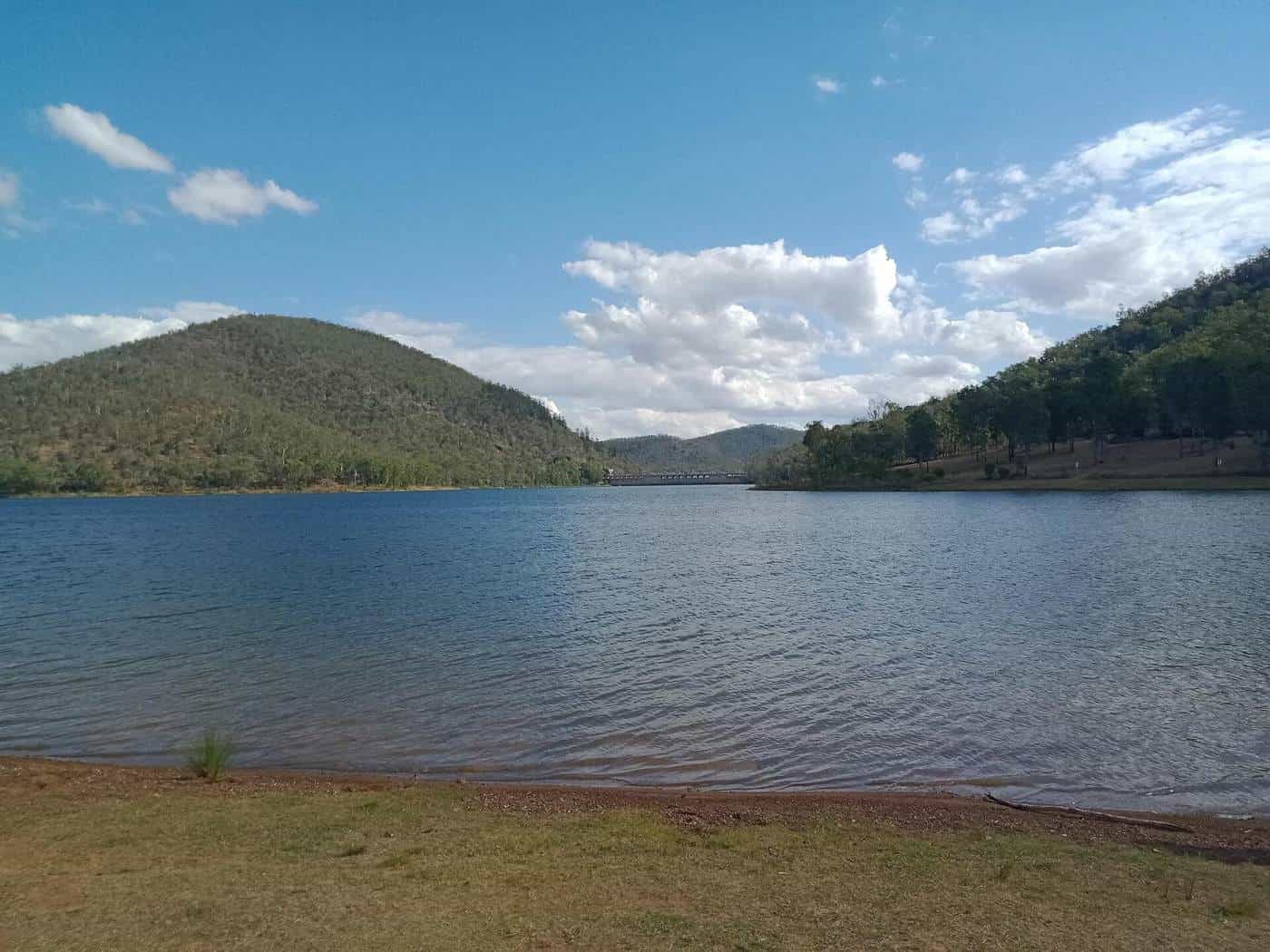
South East Queensland is spoilt for places to camp. Within a short drive of Brisbane, Ipswich, the Gold Coast or the Sunshine Coast you can wake up beside a lake, in subtropical rainforest, behind a surf beach or among granite boulders. The challenge is less finding somewhere to go than understanding how each kind of campsite works: who manages it, how you book, and what you can and cannot do there.
This hub explains the main types of campsite in the region and links to our detailed destination guides. We focus on the facts that help you plan, such as management, booking, facilities and rules, and we always link to the official source so you can check the latest conditions.
Our where-to-camp guides
- National park camping in Queensland: how QPWS camping areas work, permits and bookings, facilities, generators, fires, pets and vehicle access permits, with a look at popular parks near Brisbane.
- Lake Moogerah camping: the Scenic Rim lake beneath Mount Greville and Mount Edwards, with lakeside camping, water sports and peaks to climb nearby.
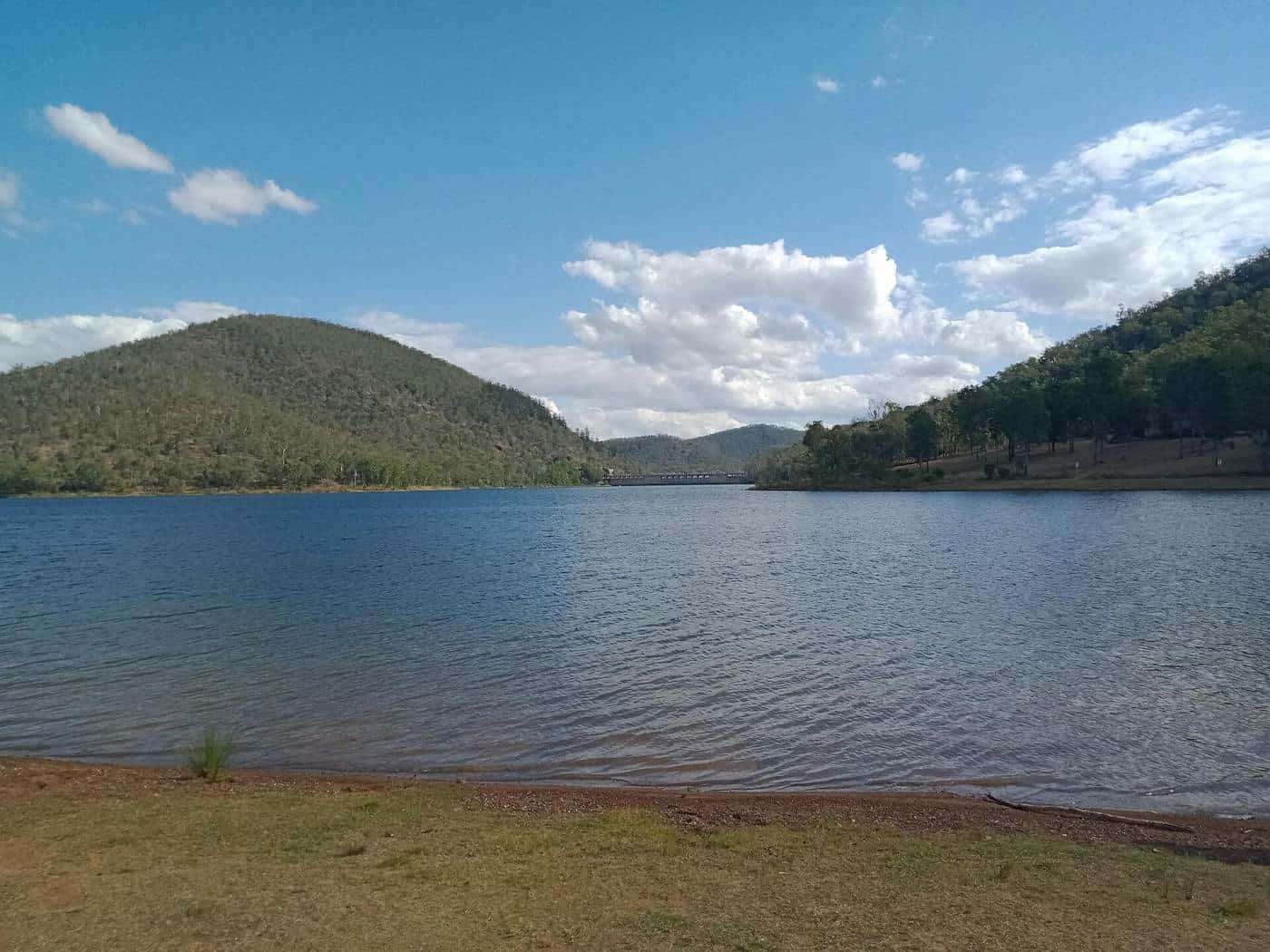
- Lake Somerset, Wivenhoe and Manchester: the big water storages north-west of Brisbane, their campgrounds, what is allowed on the water and the very different rules at Lake Manchester.
Types of campsite in South East Queensland
National park and state forest camping areas
The Queensland Parks and Wildlife Service manages camping in national parks, conservation parks, state forests and other reserves. According to QPWS, there are around 525 camping areas statewide. They range from remote bush camps with no facilities to camping areas with toilets, showers and picnic tables, but none have electricity. You need a camping permit and must pay your fees before you set out, usually online. Generators are not permitted in most parks and forests, and campfires are allowed only in some camping areas, in provided fireplaces or existing fire locations, when no ban or prohibition is in force.
Lakeside campgrounds on water storages
Seqwater, the bulk water supplier for South East Queensland, manages recreation on many of the region's dams and lakes. Some campgrounds on Seqwater land are run by private operators under arrangement, such as the campgrounds near Lake Somerset, while others nearby are entirely private. Seqwater says camping on its land is only permitted in designated camping areas and campgrounds, overnight stays on the water are not permitted, and campfires are prohibited on Seqwater land unless specifically advised.
Private holiday parks and campgrounds
Private parks often offer powered sites, cabins, amenities blocks, camp kitchens and sometimes pools or playgrounds. They suit families, caravans and campers who want comfort. Many allow dogs under conditions. Booking, fees and rules are set by each operator.
Council and showground camping
Some councils and showgrounds offer low-cost camping, often aimed at self-contained caravans and motorhomes. Rules vary widely, including maximum stays and whether tents are allowed.
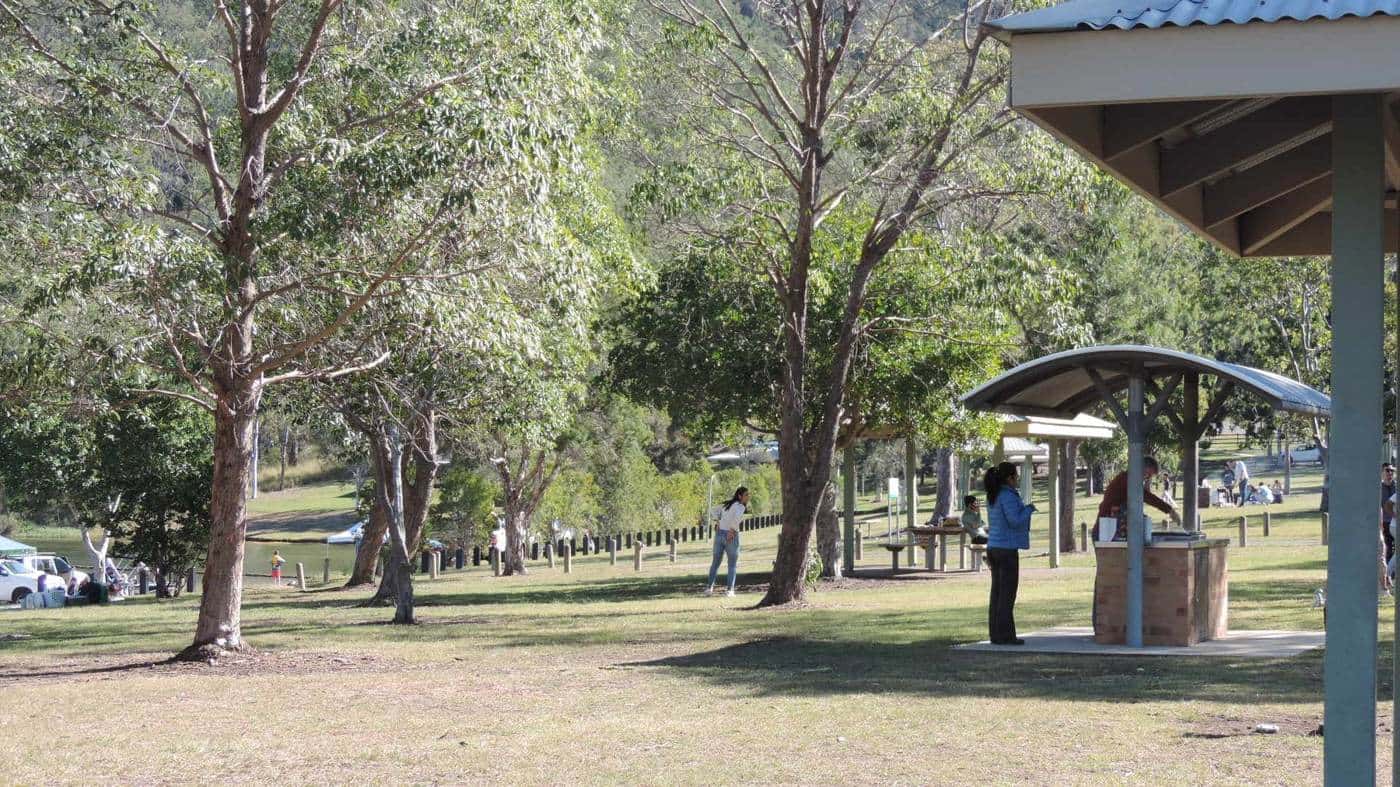
How to choose a campsite
Match the site to your gear. If you have a caravan, look for sites with suitable access and, if you need it, power. If you are tent camping with young children, toilets and drinking water make life much easier. If you want solitude, look at bush camping areas, but be prepared to be self-sufficient.
Check the access. Some camping areas are reached only by unsealed roads, four-wheel-drive tracks or on foot. Heavy rain can close roads and campgrounds. Read the access notes on the official page and check park alerts.
Think about the season. Lakeside and coastal sites are popular in summer and school holidays, and many sell out well in advance. Inland and ranges campsites can be cold in winter but are often quieter.
Check the rules on pets, fires and generators. These vary from site to site and are the most common source of disappointment on arrival.
Plan for water. Many campsites have no drinking water. Bring your own or a way to treat it.
Booking and permits at a glance
| Campsite type | Typical booking | Power | Pets | Campfires |
|---|---|---|---|---|
| QPWS national park | Online permit, before arrival | No | Usually not allowed | Only where provided and no ban |
| QPWS state forest | Online permit, before arrival | No | Check the forest page | Only where provided and no ban |
| Seqwater lakes | Through the campground operator | Varies | Check the operator | Prohibited unless advised |
| Private holiday park | Direct with the park | Often | Often, with conditions | Check the park |
This table is a general guide only. Always confirm the rules for your specific campsite.
Where to stay if camping isn't for you
Not everyone in your group may want a tent. Many of the areas covered in our guides have cabins, holiday parks and other accommodation nearby.
Before you book a campsite
0 of 6 done
Ticks are saved in this browser only.
Related reading
Once you have picked a site, use our ultimate camping checklist to pack, and our campfire safety guide before you light up.
Guides in this section
Where to camp
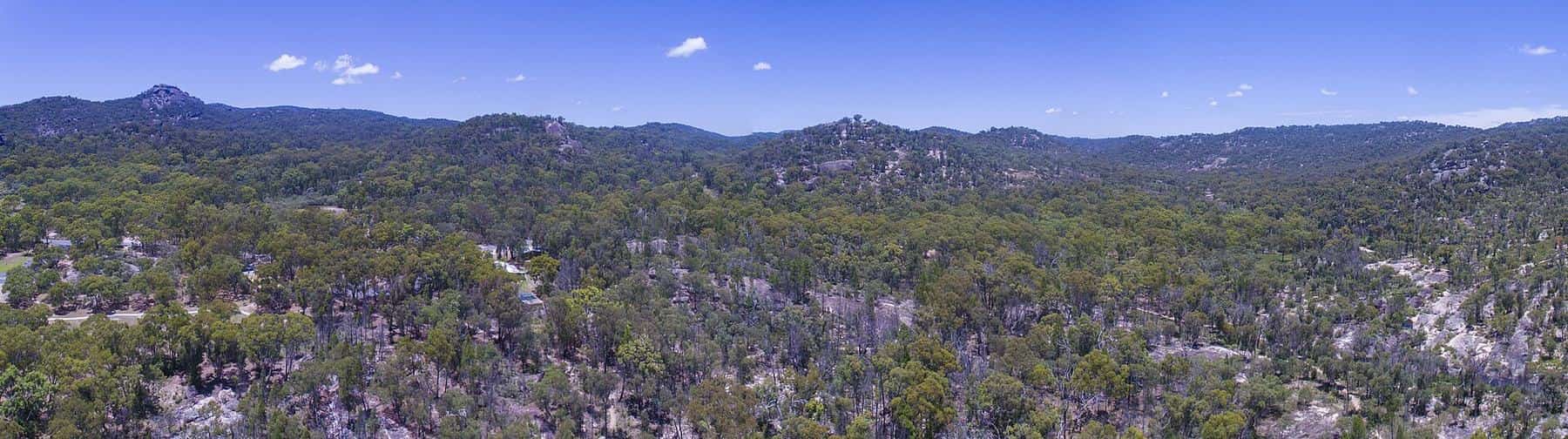
National park camping in Queensland
How national park camping works in Queensland: QPWS permits and bookings, facilities, fires, generators, pets, vehicle access permits and parks near Brisbane.
Read · 5 min
Where to camp
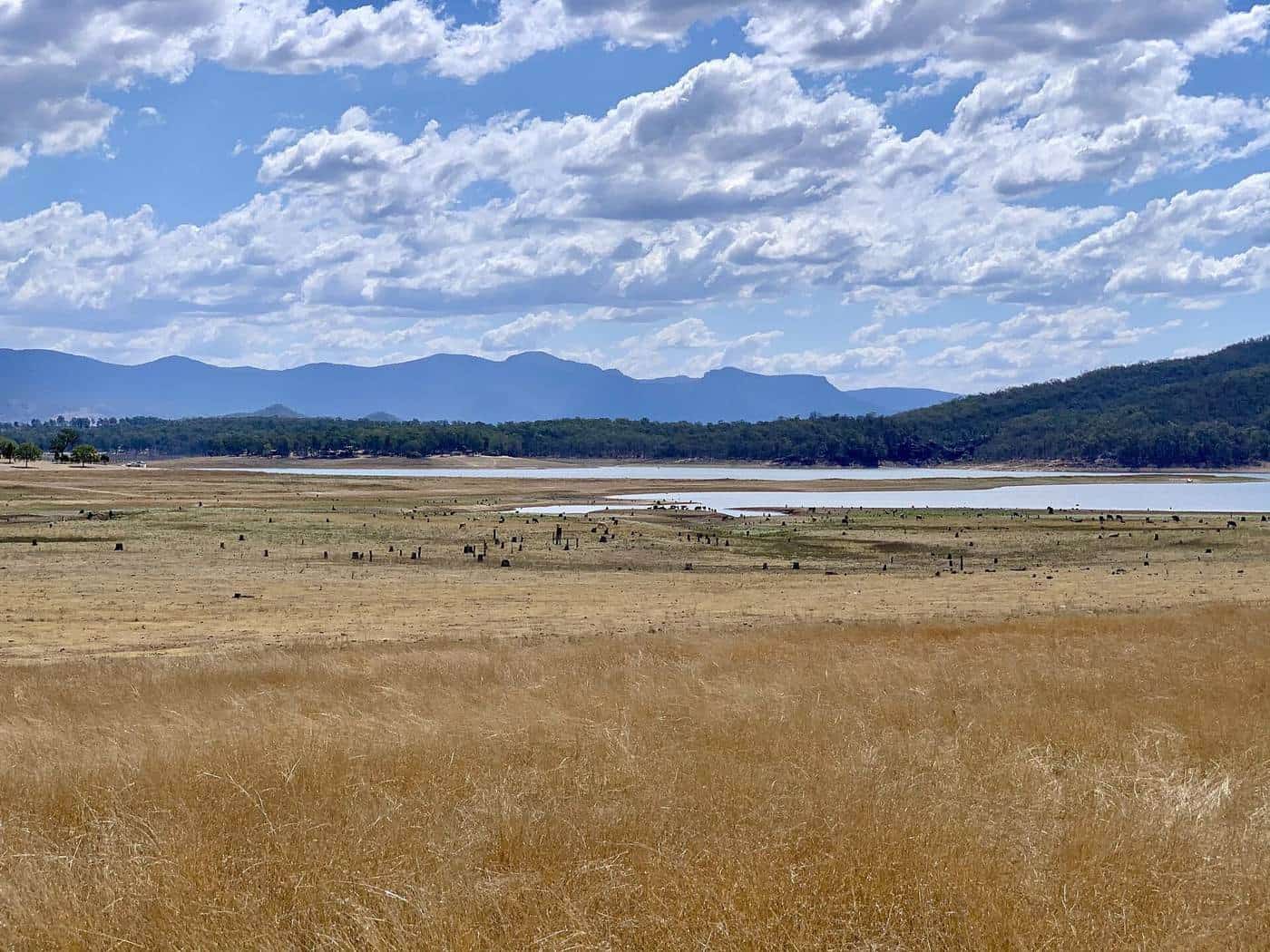
Lake Moogerah camping
A guide to camping at Lake Moogerah in Queensland's Scenic Rim: where it is, the lakeside caravan park, water activities, the Moogerah Peaks and tips for your stay.
Read · 5 min
Where to camp
Lake Somerset, Wivenhoe and Manchester
A guide to camping and recreation at Lake Somerset, Lake Wivenhoe and Lake Manchester near Brisbane: campgrounds, what is allowed on the water and safety rules.
Read · 5 min
Frequently asked questions
Where can I camp near Brisbane?
Options within about two hours include QPWS camping areas in national parks and state forests, privately run campgrounds near Seqwater lakes such as Somerset, Wivenhoe and Moogerah, and holiday parks along the coast. Each has its own booking system and rules.
How do I book a national park campsite in Queensland?
Through the Queensland National Parks Booking Service online. You need a camping permit and must pay your fees before setting out.
Can I camp anywhere around a Seqwater lake?
No. Seqwater says camping is only permitted in designated camping areas and campgrounds, and overnight stays on the water are not permitted.
Are dogs allowed at campsites?
Domestic animals are not permitted in most Queensland national parks. Many private campgrounds and some state forests do allow dogs under conditions. Always check the specific campsite rules before you go.
Do I need a permit to drive on the beach?
On many Queensland sand islands and beaches, including Bribie Island and Mulgumpin (Moreton Island), a vehicle access permit is required in addition to any camping permit. Check the QPWS page for the area.
Are campsites powered?
QPWS camping areas do not have electricity. Powered sites are available at many private holiday parks and campgrounds.
Sources and further reading
Facts on this page were checked against these primary and official sources. Conditions change — confirm before you travel or buy.
- Where to camp — Queensland Parks and Wildlife Service
- Generator use — Queensland Parks and Wildlife Service
- Camping at Somerset Park Camp Grounds — Seqwater
- Moogerah Dam — Seqwater
- Lake Moogerah — Wikipedia