Your first camping trip can feel like a lot to organise. There is gear to find, a campsite to choose, food to plan and a long list of things you might forget. But camping is simpler than it looks, and a little preparation goes a long way. Most of what makes a first trip go well comes down to choosing an easy campsite, practising with your gear and leaving yourself plenty of time.
This guide walks you through planning and enjoying your first trip, step by step. It is written with South East Queensland in mind, but the principles apply anywhere in Australia.
Step 1: Choose an easy first campsite
For your first trip, make life easy for yourself:
- Stay close to home. One to two hours' drive means you can head home if things go wrong.
- Choose facilities. Toilets, drinking water and perhaps showers take a lot of pressure off.
- Pick easy access. Avoid four-wheel-drive tracks and walk-in sites until you are more confident.
- Keep it short. One or two nights is plenty.
- Avoid the busiest times if you can. A quieter weekend outside school holidays is more relaxed.
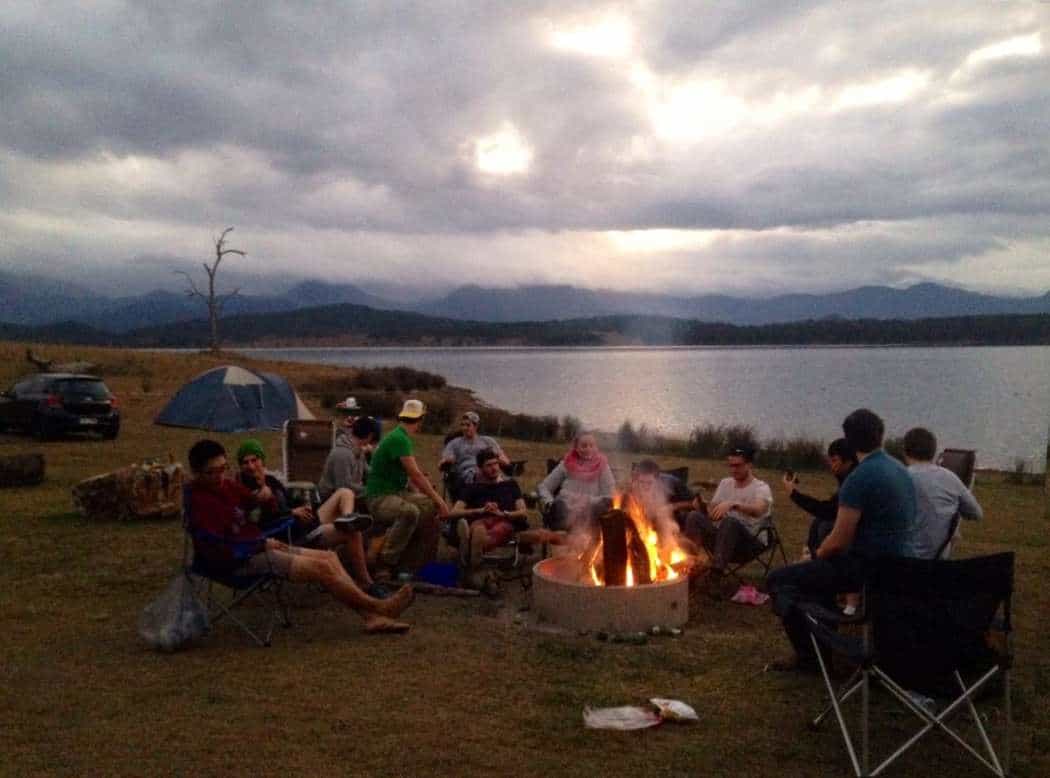
In Queensland, you can choose from national park and state forest camping areas managed by the Queensland Parks and Wildlife Service (QPWS), lakeside campgrounds and private holiday parks. QPWS says there are around 525 camping areas in Queensland's parks and forests, ranging from remote sites with no facilities to well-equipped areas, though none have electricity. Private holiday parks often have powered sites, camp kitchens and amenities blocks, which some beginners find reassuring. See where to camp for an overview.
Step 2: Book your site or permit
In Queensland national parks and forests, you need a camping permit and must pay your fees before setting out, usually through the Queensland National Parks Booking Service online. Private campgrounds take bookings directly. Popular sites book out early for school holidays and long weekends, so book as soon as you know your dates.
When you book, read the campsite information carefully. Note the facilities, access, check-in arrangements and the rules on fires, generators and pets. QPWS, for example, says generators are not permitted in most parks and forests.
Step 3: Gather your gear
You do not need to buy everything before your first trip. Borrow from friends and family, hire from an outdoor store, or buy the basics and add to your kit over time. The essentials are:
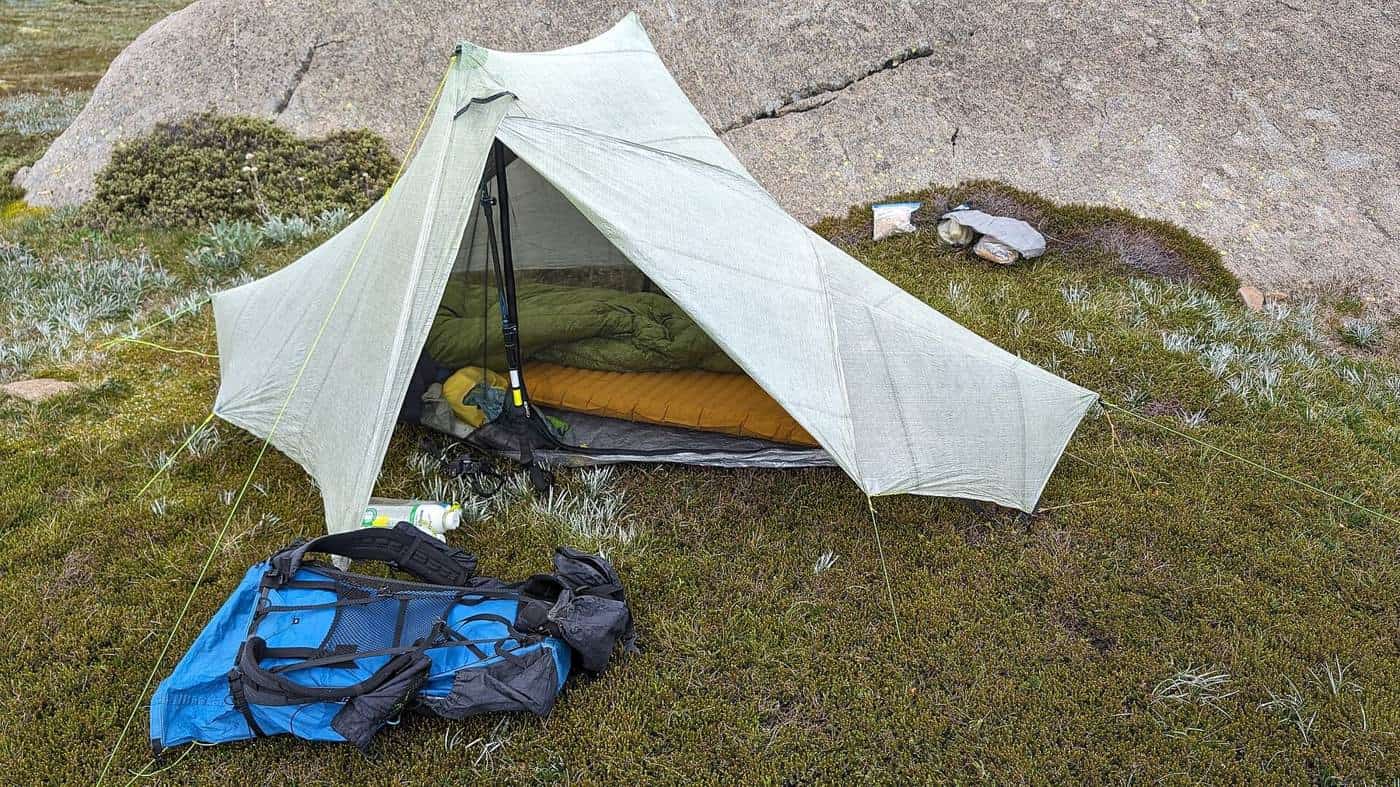
- Shelter: a tent with poles, pegs and fly.
- Sleep: a sleeping bag suited to the forecast low, a sleeping mat and a pillow.
- Kitchen: a stove and fuel, a lighter, a pot and pan, utensils, plates and cups, and an esky.
- Water: enough for drinking, cooking and washing, unless the site has drinking water.
- Safety: a first aid kit, torches for everyone and a charged phone.
- Clothing: layers for warm days and cool nights, plus a rain jacket.
Our ultimate camping checklist has the full list.
Step 4: Practise at home
This is the single best thing you can do. Pitch the tent in the backyard or a local park, count the pegs and learn which pole goes where. Inflate the mattress and check it holds air overnight. Light the stove and boil some water. If you have children, let them help, and consider a backyard sleepover as a trial run.
Step 5: Plan simple meals
Keep camp cooking simple on your first trip. Pre-prepare food at home where you can, such as chopping vegetables, marinating meat or making a casserole to reheat. Eat the most perishable food first. Pack food cold into a pre-chilled esky, keep raw meat sealed and separate, and keep cold food at 5°C or colder. Bring a few easy back-up meals in case it rains.
Step 6: On the day
Before you leave, check three things: the weather forecast, fire bans and restrictions, and park alerts for closures and conditions. Pack ice and perishable food last, fill up with fuel, and leave your trip plan with someone.
Aim to arrive with at least two hours of daylight left.
Step 7: Set up camp
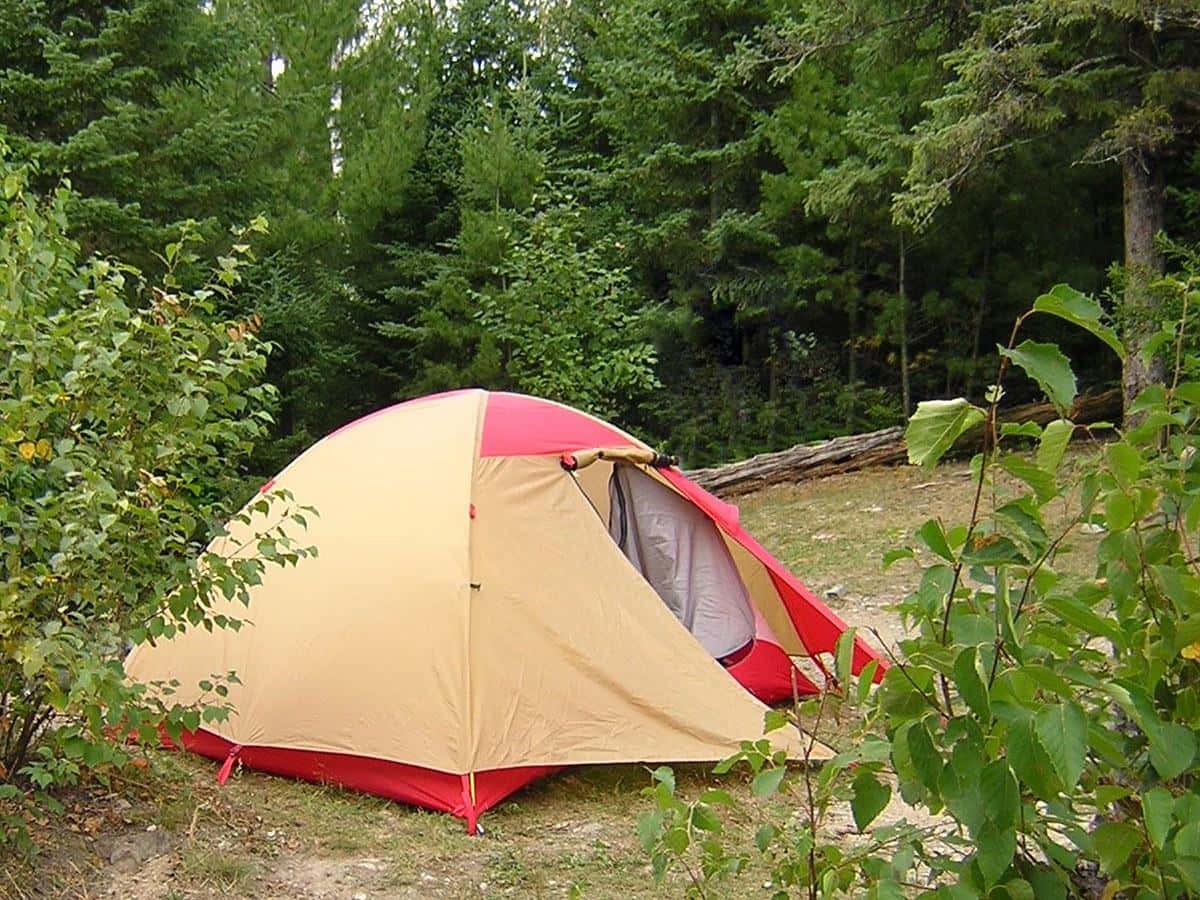
Choose your spot. If sites are not marked, look for flat, even ground. Look up and avoid trees with dead branches. Avoid hollows and dry creek beds, which can fill with water in rain. Bush campers should camp well away from streams, lakes, walking tracks and picnic areas.
Pitch the tent first, while you have the most light and energy. Clear away sticks and stones, peg out the corners and use all the guy ropes.
Set up the kitchen a safe distance from the tent, on a stable surface. Put the esky in the shade.
Find the toilets and water, and work out where you will put rubbish.
Set up lighting before dark: hang a lantern and put head torches somewhere easy to find.
Step 8: Your first night
Night falls quickly at camp, and it is often colder than you expect. Change into dry, warm clothes before you get cold. Have a hot dinner and a warm drink. Go to the toilet before bed, and keep a torch by your pillow.
It is normal to hear unfamiliar sounds at night, from possums and birds to other campers. Earplugs help light sleepers. Keep food sealed and stored in your car or a secure container so wildlife is not tempted.
Step 9: Be a good camping neighbour
- Keep noise down, especially in the evening and early morning.
- Respect other campers' space and do not walk through their sites.
- Keep lights pointed down and switch off bright lanterns when you go to bed.
- Follow the rules on fires, generators and pets.
Step 10: Pack up and leave no trace
Take all your rubbish with you, including food scraps. Check the site for small items like bottle caps and tent pegs. If you had a fire, put it out completely with water. Leave the site as clean as, or cleaner than, you found it. When you get home, dry the tent and sleeping bags completely before storing them.
Common first-timer mistakes
- Not practising with the tent.
- Arriving late in the day.
- Bringing a sleeping bag that is too thin and no mat.
- Forgetting the lighter, can opener or tent pegs.
- Not bringing enough water.
- Letting the esky warm up in the sun.
- Using a gas stove or heater inside the tent.
- Forgetting to check for fire bans.
First trip checklist
0 of 8 done
Ticks are saved in this browser only.
Related guides
Ready to pack? Use the ultimate camping checklist. Not sure where to go? Read national park camping in Queensland.
Frequently asked questions
Where should I go for my first camping trip?
Choose somewhere close to home, with toilets, drinking water and easy vehicle access, for one or two nights. Many QPWS camping areas and private campgrounds near Brisbane suit beginners.
Do I need to buy all the gear before my first trip?
No. Borrow or hire what you can for the first trip. You will learn what you actually need and avoid buying gear that does not suit the way you camp.
What time should I arrive at a campsite?
With plenty of daylight to spare. Aim for at least two hours before sunset, so you can pitch the tent, set up the kitchen and find the toilets before dark.
How do I stay warm on my first night?
Use a sleeping bag rated for the forecast low, an insulated mat, dry sleepwear, a beanie and socks. Eat a hot dinner and go to the toilet before bed.
What if it rains?
A tent with a full flysheet, pitched taut with guy ropes, and a tarp over your living area will keep most rain off. Keep gear off the tent walls and pack a change of dry clothes in a sealed bag.
Is camping safe?
Camping is generally very safe when you plan well. Check the weather, fire bans and park alerts, carry a first aid kit, follow food and gas safety rules, and tell someone your plans.
Sources and further reading
Facts on this page were checked against these primary and official sources. Conditions change — confirm before you travel or buy.
- Where to camp — Queensland Parks and Wildlife Service
- Camping safety — Queensland Government
- Camp fires and cooking — Queensland Parks and Wildlife Service
- Generator use — Queensland Parks and Wildlife Service