A camp stove is the heart of the camp kitchen. It boils the water for your morning coffee, cooks dinner when campfires are banned and keeps you fed in the rain. Stoves are also one of the few pieces of camping gear that can seriously hurt you if they are used carelessly. Burns, gas canister explosions and carbon monoxide poisoning are all real risks, and all are almost entirely preventable.
This guide explains the main types of camping stove, how to choose one for the way you camp, and the safety rules that Queensland authorities recommend. We do not recommend specific products or quote prices.
Types of camp stove
Butane cartridge stoves
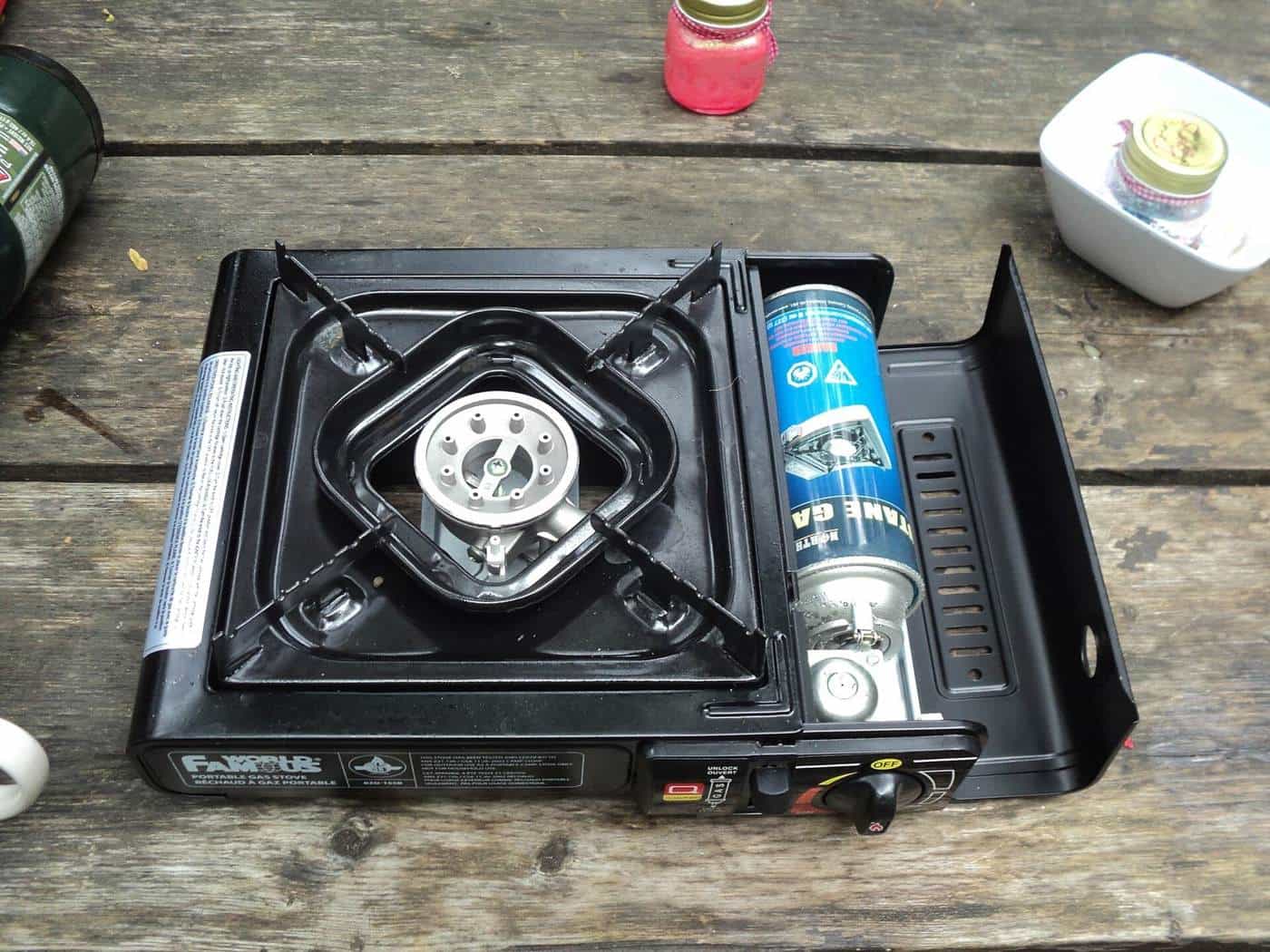
Portable butane stoves, sometimes called lunchbox or cassette stoves, take a slim aerosol-style cartridge that slots into a compartment in the side. They are cheap to buy, easy to use and very common at Australian campsites, picnic grounds and backyards. They suit car camping, short trips and simple cooking. Butane performs less well in cold conditions, so output can drop on frosty mornings.
The big safety issue with these stoves is heat reaching the cartridge, which sits right beside the burner. More on that below.
LPG burners and stoves
LPG (liquefied petroleum gas) stoves run from refillable gas cylinders via a hose and regulator. Two-burner and three-burner camp stoves, often with a windshield, are popular for family car camping because they cook for a crowd and the cylinders last a long time. They are heavier, and the cylinder, hose and regulator need regular checking.
Canister stoves for hiking
Small burners that screw directly onto a self-sealing gas canister are the standard for many hikers. They are light, compact and boil water quickly. Remote-canister versions, connected by a short hose, sit lower and are more stable with larger pots.
Liquid fuel and spirit stoves
Liquid fuel stoves burn fuels such as white spirit and are valued for remote and cold-weather trips. Spirit (alcohol) stoves are very simple and light but slower to boil. Both need careful handling of fuel.
Solid-fuel and wood cookers
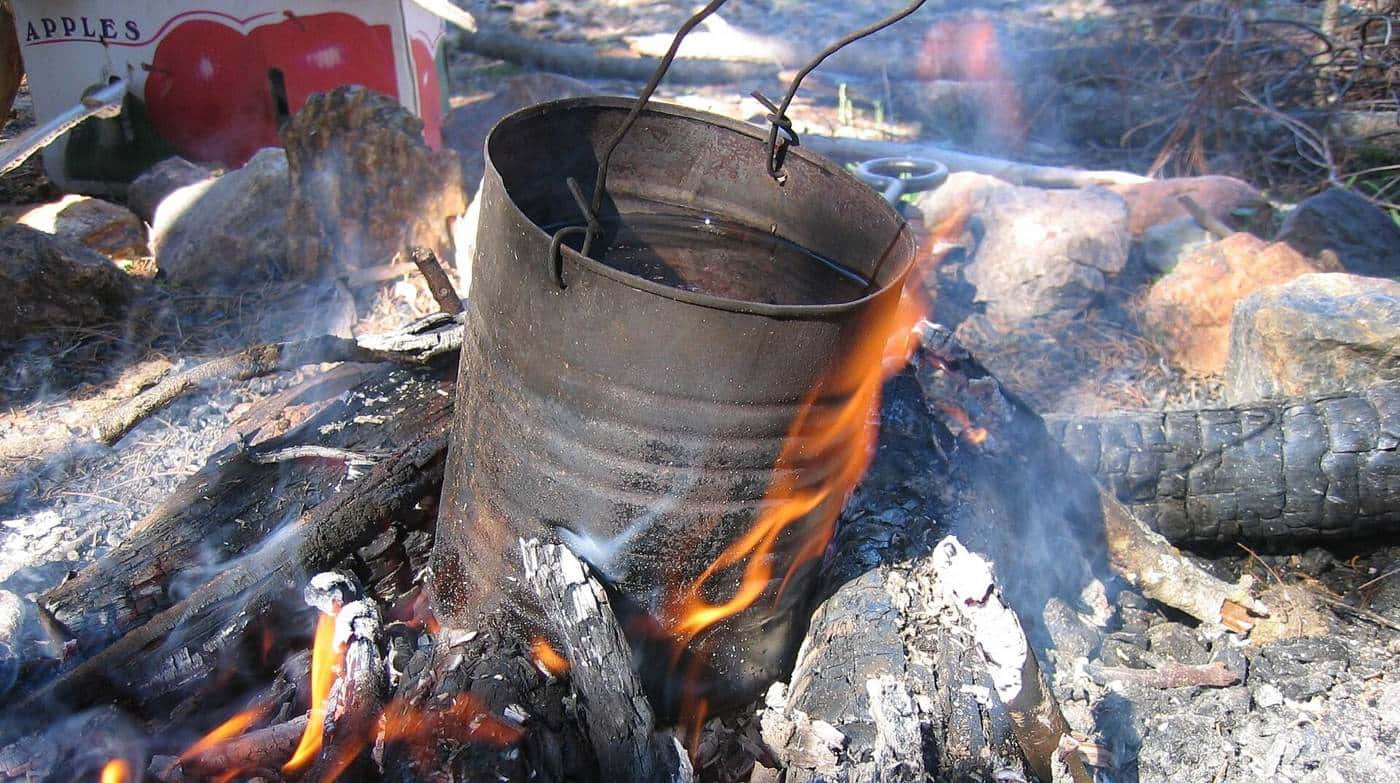
Self-contained cookers that burn manufactured fuels such as heat beads or briquettes, and wood-burning cookers, are popular for warmth and cooking. Note that these are treated differently from gas stoves under fire bans and park fire prohibitions.
Choosing a camp stove
How many people are you cooking for? One or two people can manage on a single burner. Families usually appreciate two burners, so the pasta and sauce cook at the same time.
How will you carry it? Car campers can choose bigger, more stable stoves. Hikers need compact canister or spirit stoves.
What will you cook? Boiling water for dehydrated meals needs power. Cooking proper meals needs good simmer control and a stable base for wider pans.
What fuel can you get? Butane cartridges and LPG cylinders are easy to find in Australian towns. Specialised canisters and fuels may be harder to find in remote areas.
Is it Australian approved? Queensland's gas safety regulator advises using only Australian approved gas appliances and looking for the approval label.
Gas safety: the rules that matter
Read the instructions first
Resources Safety and Health Queensland has published a safety notice about two campers who were seriously burned when a brand new butane stove exploded. They had not read the instructions. The stove's trivet, the plate the pan sits on, was still in its inverted storage position. With a large frypan on top, heat was deflected straight down onto the butane canister, which overheated and exploded.
The regulator's recommendations are clear:
- Read warning labels and follow the assembly instructions.
- Put the trivet in its cooking position before operating the stove.
- Do not use oversize pans, which can deflect too much heat onto the canister.
- Do not place the stove on or next to other heat sources, such as barbecue plates or fires.
Before every trip
Queensland gas safety advice for camping, boating and caravanning includes these checks:
- Follow the manufacturer's instructions for safe assembly and use.
- Check cylinders for holes, rust, dents and damage. If a cylinder is damaged, do not use it.
- Check the cylinder's test date stamp. If it has not been tested in 10 years, get a new one.
- Check fittings, valves and hoses for fading, fraying, cracking or splitting, and check for missing O-ring seals.
- Apply soapy water to the connections between the appliance and the cylinder. Bubbles indicate a dangerous leak.
- Secure gas bottles firmly in transit and keep them out of the sun, which can cause gas expansion and leaks.
- Use a licensed gas fitter to fix, test or install appliances.
At camp
- Set the stove on a stable, level, non-flammable surface, away from tents, awnings and dry grass.
- Keep children and pets well clear while cooking.
- Never leave a lit stove unattended.
- Turn the gas off at the cylinder when you finish.
- Store spare cartridges and cylinders upright, in the shade and away from heat. Do not leave them in a closed vehicle in the sun.
- Let the stove cool before removing a cartridge or packing it away.
Stoves, fire bans and park fire prohibitions
One of the big advantages of gas stoves is that you can usually still cook when campfires are banned. In Queensland, there are two separate systems to be aware of.
Fire bans are declared by the Queensland Fire Department, normally for a whole local government area. QPWS says that during a fire ban, gas and electric barbecues, including gas and spirit stoves, may be used provided they do not have the potential to generate airborne embers or ignite nearby ground fuels, are not left unattended and are suitably contained. Wood-fuelled fires, fire rings, wood barbecues and appliances using ash-producing fuels such as heat beads are banned.
QPWS fire prohibitions apply to all or part of a park or forest. During a prohibition, specified cooking and heating appliances may still be used, but QPWS says they must use gas or manufactured fuel, be used only for cooking or heating, sit at least 20 cm off the ground and more than 2 m from flammable material, not be able to generate airborne embers, be fully self-contained and never be left unattended. Wood-fuelled braziers, fire drums and wood barbecues must not be used.
Rules can change, and some parks have long-term prohibitions. Always check the current fire bans and park alerts on the day you cook.
Stove safety checklist
0 of 8 done
Ticks are saved in this browser only.
Related guides
For safe food storage, read our eskies and camp food safety guide. For campfires, see campfire safety and fire bans.
Frequently asked questions
Can I use a gas stove inside my tent?
No. Queensland Government safety advice is to use portable butane stoves and similar portable gas devices only outdoors, never inside tents, caravans, boats or other confined spaces, because of the risks of fire and carbon monoxide poisoning.
Can I use a camp stove during a fire ban?
QPWS says gas and electric barbecues, including gas and spirit stoves, are permitted during fire bans provided they cannot generate airborne embers or ignite nearby ground fuels, are not left unattended and are suitably contained. Wood-fuelled appliances and those using heat beads are banned.
Why do butane stoves explode?
A known cause is heat reflecting back onto the canister. Resources Safety and Health Queensland has reported a case where a stove was used with its trivet still in the storage position and an oversized pan, which deflected heat onto the canister until it exploded.
How do I check my gas bottle for leaks?
Apply soapy water to the connections between the appliance and the cylinder. Bubbles indicate a leak. Do not use the appliance until it is fixed.
How often do gas cylinders need testing?
Queensland gas safety advice is to check your cylinder's test date stamp and replace or re-test it if it has not been tested in 10 years.
What is the best stove for hiking?
Small canister stoves that screw onto a self-sealing gas canister are popular for hiking because they are light and compact. Alcohol (spirit) stoves are lighter still but slower. Choose based on trip length, group size and fire restrictions.
Sources and further reading
Facts on this page were checked against these primary and official sources. Conditions change — confirm before you travel or buy.
- Use portable camping stoves safely — Resources Safety & Health Queensland
- Add gas safety to your holiday checklist — Queensland Government
- Camp fires and cooking — Queensland Parks and Wildlife Service
- Camping safety — Queensland Government