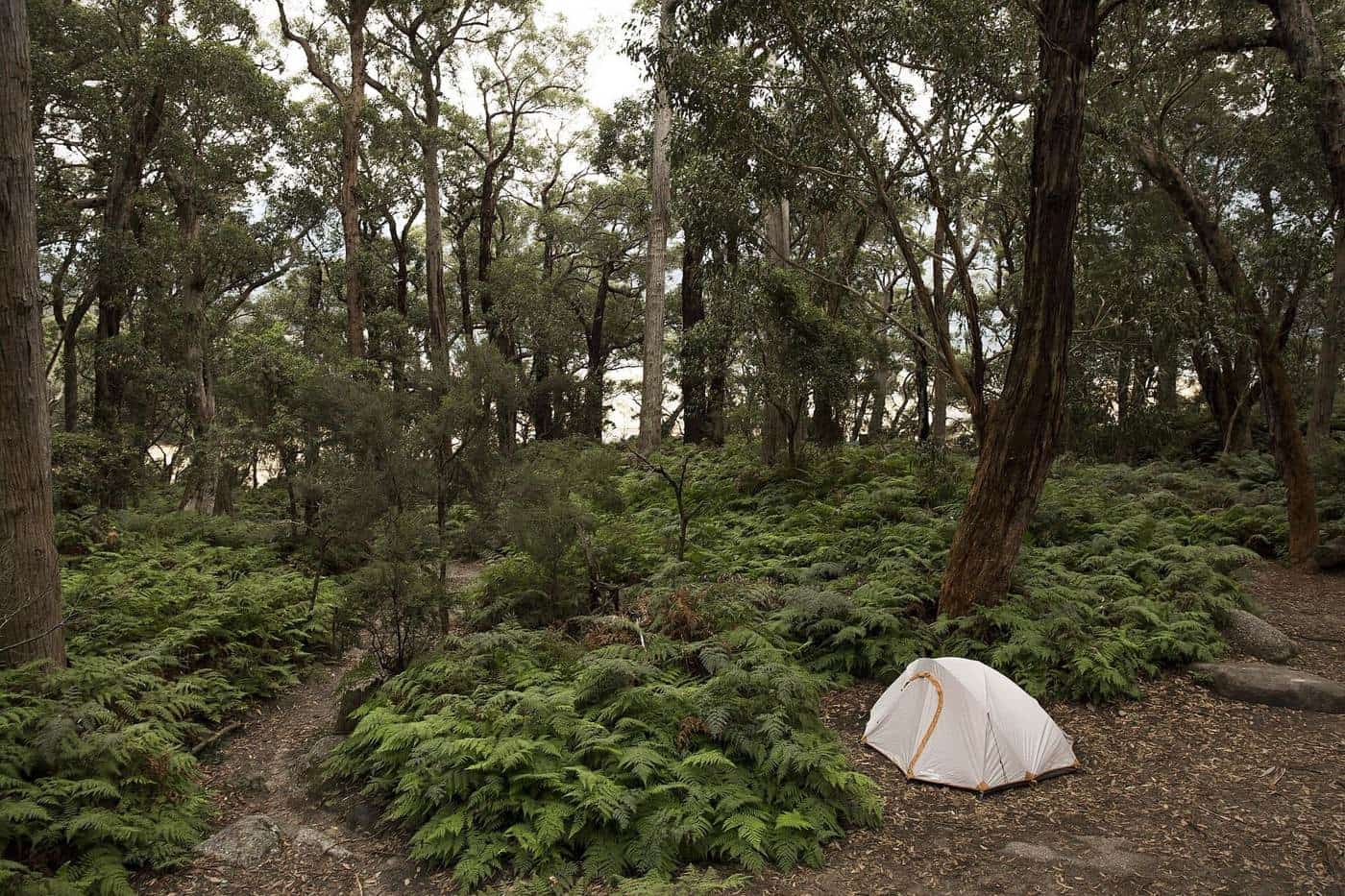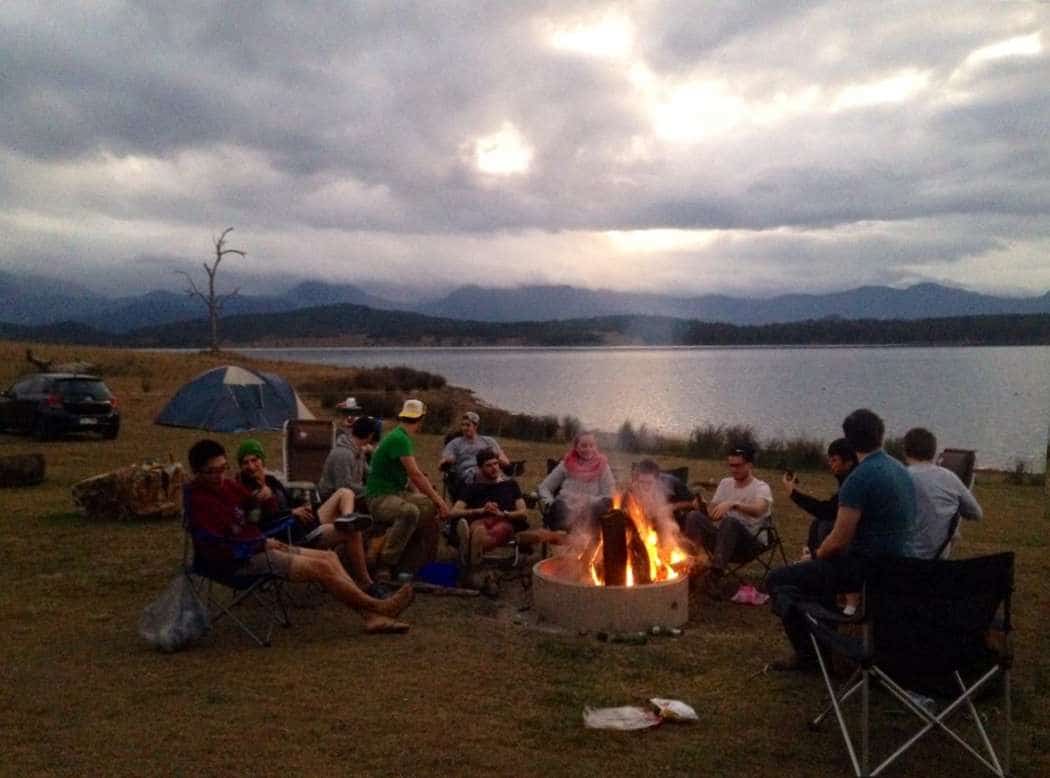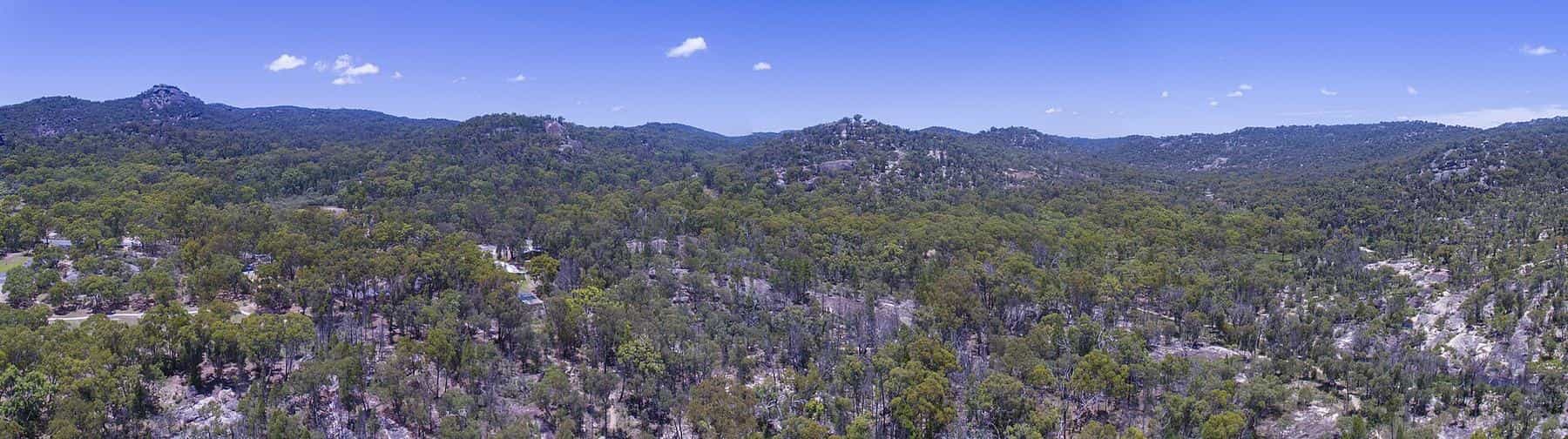
Queensland's national parks and forests offer some of the best camping in Australia. You can pitch a tent in World Heritage rainforest, behind a surf beach on a sand island or among granite boulders, often for a modest fee and within a few hours of Brisbane. Camping in a national park is also different from staying at a holiday park: there is no electricity, facilities can be basic, and there are rules designed to protect the park and keep the experience peaceful.
This guide explains how national park camping works in Queensland, from permits and bookings to fires, generators, pets and vehicle access, and introduces some popular parks near Brisbane. Rules and conditions change, so always read the official park page and check park alerts before you go.
How national park camping works
The Queensland Parks and Wildlife Service (QPWS) manages camping in national parks, conservation parks, state forests and other reserves across Queensland. According to QPWS, there are around 525 camping areas in the state's parks and forests.
~525
Camping areas
In Queensland parks and forests
0
Powered sites
QPWS areas have no electricity
Before
Book your permit
Pay fees before setting out
Permits and bookings
You need a camping permit and must pay your fees before setting out. QPWS says the easiest way is the online Queensland National Parks Booking Service. Some groups, such as schools and commercial tour operators, can apply for special accounts.
Your permit is usually for a specific camping area and dates, and sometimes a specific site. Keep a copy, or your booking number, with you, as rangers may ask to see it. Popular camping areas book out well in advance for school holidays and long weekends.
Facilities
Camping areas range from remote sites with no facilities at all to well-equipped areas that may have toilets, showers, picnic tables, fireplaces and barbecues. Facilities differ at every camping area, so read the detailed camping information for your park. None of the QPWS camping areas have electricity, which QPWS presents as a chance to "get back to nature".
Bush camping
Bush camping, with few or no facilities, is allowed in some parks. QPWS asks bush campers to camp well away from streams, lakes, walking tracks and picnic areas. Bush camping requires you to be self-sufficient: bring all your water or a way to treat it, a trowel for toilet waste where there are no toilets, and take all rubbish out.
Rules to know before you go
Campfires
You can have campfires in many QPWS camping areas, but only in the fireplaces, fire rings or existing fire locations provided, and only when no fire ban or fire prohibition is in force. Bring clean firewood and kindling from outside the area; all timber within parks and forests is protected and cannot be collected. QPWS can impose fire prohibitions in parks even when there is no wider fire ban. See our campfire safety guide.
Generators
QPWS says generators are not permitted in most Queensland parks and forests, because many visitors value their peace and quiet. Where generators are allowed, park pages list restrictions such as maximum noise levels and hours of use. If you have a medical condition, you may be allowed to use a low-decibel generator (65 dB(A)) to run essential devices in some areas where generators are otherwise not allowed, provided you have a current medical certificate. QPWS suggests solar panels and inverters as the best alternative.
Pets
Domestic animals are generally not permitted in Queensland national parks, to protect wildlife. Some state forests and many private campgrounds do allow dogs under conditions. If you are travelling with a pet, plan your campsites around it.
Vehicle access permits
Some areas, particularly beaches and sand islands, require a vehicle access permit in addition to a camping permit. These include Bribie Island and Mulgumpin (Moreton Island). On Mulgumpin, the national park is jointly managed with the Quandamooka people, and camping bookings are handled through the Quandamooka Yoolooburrabee Aboriginal Corporation. Beach driving requires a suitable four-wheel-drive vehicle, recovery gear and an understanding of tides.
Popular parks within reach of Brisbane
The following parks are well known for camping. Each has its own camping areas, access and rules, so check the QPWS page for each park before you book.
Lamington National Park
Lamington sits on the McPherson Range on the Queensland and New South Wales border, about 110 km south of Brisbane. The park covers about 20,600 hectares and is part of the Gondwana Rainforests of Australia World Heritage Area. Much of it lies around 900 m above sea level, so nights are cool. It is famous for its rainforest, waterfalls and more than 150 km of walking tracks, many built during the Great Depression. Camping in the park is limited and popular, so book early.
Main Range National Park
Main Range lies about 85 km south-west of Brisbane and is also part of the Gondwana Rainforests of Australia World Heritage Area. The park was first declared around Cunninghams Gap in 1909. There are walking tracks, camping areas and picnic facilities at places such as Spicers Gap, Cunninghams Gap and Queen Mary Falls. Winter nights at elevation can be cold.
Bribie Island National Park
Bribie Island National Park covers about a third of Bribie Island, 68 km north of Brisbane. It has several camping areas, some reached by four-wheel drive and some only by boat. A camping permit is required, and a vehicle permit is needed to drive in the national park. Wikipedia's summary of the park notes that generators are not permitted and visitors should bring their own firewood.
Mulgumpin (Moreton Island)
Moreton Island, or Mulgumpin, lies about 58 km north-east of Brisbane. About 98 per cent of the island is national park. There are no sealed roads, so vehicle access is for four-wheel drives only, by vehicle ferry. Camping and four-wheel driving are permitted in many parts with the appropriate permits and fees.
D'Aguilar National Park
D'Aguilar, on Brisbane's north-western edge, has a small number of remote bush camp sites in its southern section that require walking in. They suit experienced, self-sufficient walkers. Permits and fees apply.
Tips for national park camping
- Be self-sufficient. Bring enough water, food and fuel for your whole stay, plus a reserve.
- Arrive early. Remote camping areas can be a long way from the nearest town, on unsealed roads.
- Pack a torch for the toilet. Camping areas are dark at night.
- Expect wildlife. Store food securely in your vehicle or a sealed container, and never feed animals.
- Respect quiet. Sound travels at quiet camping areas.
- Take all rubbish home. Many camping areas have no bins.
National park camping checklist
0 of 8 done
Ticks are saved in this browser only.
Related guides
Before your trip, read Leave No Trace camping and our camping for beginners guide. For lakeside camping, see Lake Moogerah.
Frequently asked questions
Do I need a permit to camp in a Queensland national park?
Yes. QPWS says you need a camping permit and must pay your fees before setting out. The easiest way is the online Queensland National Parks Booking Service.
How many camping areas are there in Queensland parks?
QPWS says there are around 525 camping areas in Queensland's parks and forests, from remote sites with no facilities to well-equipped camping areas.
Are there powered sites in national parks?
No. QPWS says camping areas in its parks and forests do not have electricity.
Can I use a generator in a national park?
Generators are not permitted in most Queensland parks and forests. Where they are allowed, park pages list noise and hours restrictions. People with a medical condition may use a low-decibel generator to run essential devices in some areas, with a current medical certificate.
Can I take my dog camping in a national park?
Domestic animals are generally not permitted in Queensland national parks. Some state forests and private campgrounds allow dogs under conditions, so check the specific site.
Do I need a separate permit to drive on Bribie Island or Mulgumpin?
Yes. A vehicle access permit is needed to drive in these areas, in addition to a camping permit if you are staying overnight. Mulgumpin (Moreton Island) camping is jointly managed with the Quandamooka people.
Sources and further reading
Facts on this page were checked against these primary and official sources. Conditions change — confirm before you travel or buy.
- Where to camp — Queensland Parks and Wildlife Service
- Generator use — Queensland Parks and Wildlife Service
- Camp fires and cooking — Queensland Parks and Wildlife Service
- Lamington National Park — Wikipedia
- Main Range National Park — Wikipedia
- Bribie Island National Park — Wikipedia
- Moreton Island — Wikipedia