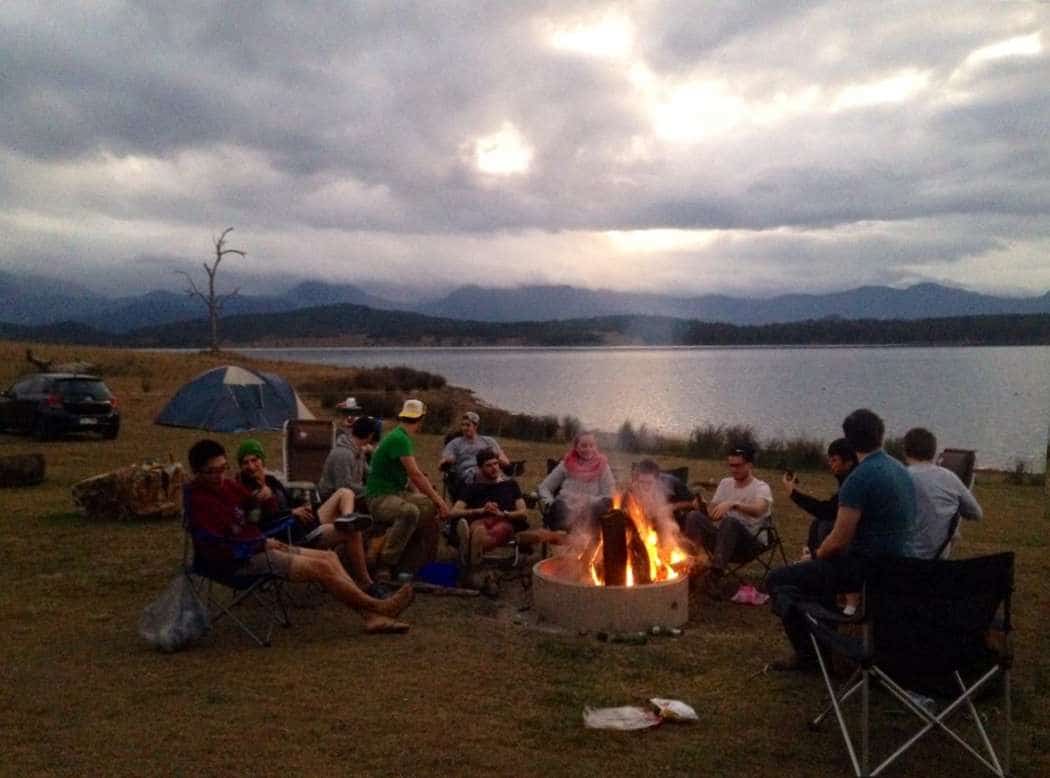
Every popular campsite tells a story about the people who used it before you. Sometimes it is a pleasant one: clean fire rings, intact vegetation, birds hopping fearlessly around the picnic tables. Sometimes it is not: toilet paper behind the bushes, bottle caps in the fire pit, trampled plants and possums raiding bins. The difference comes down to how each group of campers behaves.
Leave No Trace is a set of simple principles that help campers enjoy natural places without damaging them. The framework was developed by the Leave No Trace organisation and is widely used around the world. This guide explains each of the seven principles and how to apply them at Australian campsites, with reference to Queensland park rules where relevant.
The seven principles
7
Principles
Simple and widely used
0
Rubbish left
Take everything out
~525
Qld camping areas
Worth looking after
- Plan ahead and prepare.
- Travel and camp on durable surfaces.
- Dispose of waste properly.
- Leave what you find.
- Minimise campfire impacts.
- Respect wildlife.
- Be considerate of other visitors.
1. Plan ahead and prepare
Good planning prevents most problems. Before you go:
- Know the rules for your campsite, including permits, fires, generators, pets and group sizes. In Queensland national parks you need a camping permit before setting out. QPWS says generators are not permitted in most parks and forests, and domestic animals are not allowed in most national parks.
- Check conditions, including the weather, fire bans and park alerts.
- Repackage food to reduce rubbish, for example by decanting into reusable containers.
- Bring the right gear, including rubbish bags, a trowel if there are no toilets, and a wash tub.
- Plan for emergencies, with a first aid kit and a way to call for help.
Being well prepared means you are less likely to need to cut corners, such as collecting firewood or camping in the wrong place.
2. Travel and camp on durable surfaces
Vegetation and soils can take years to recover from trampling.
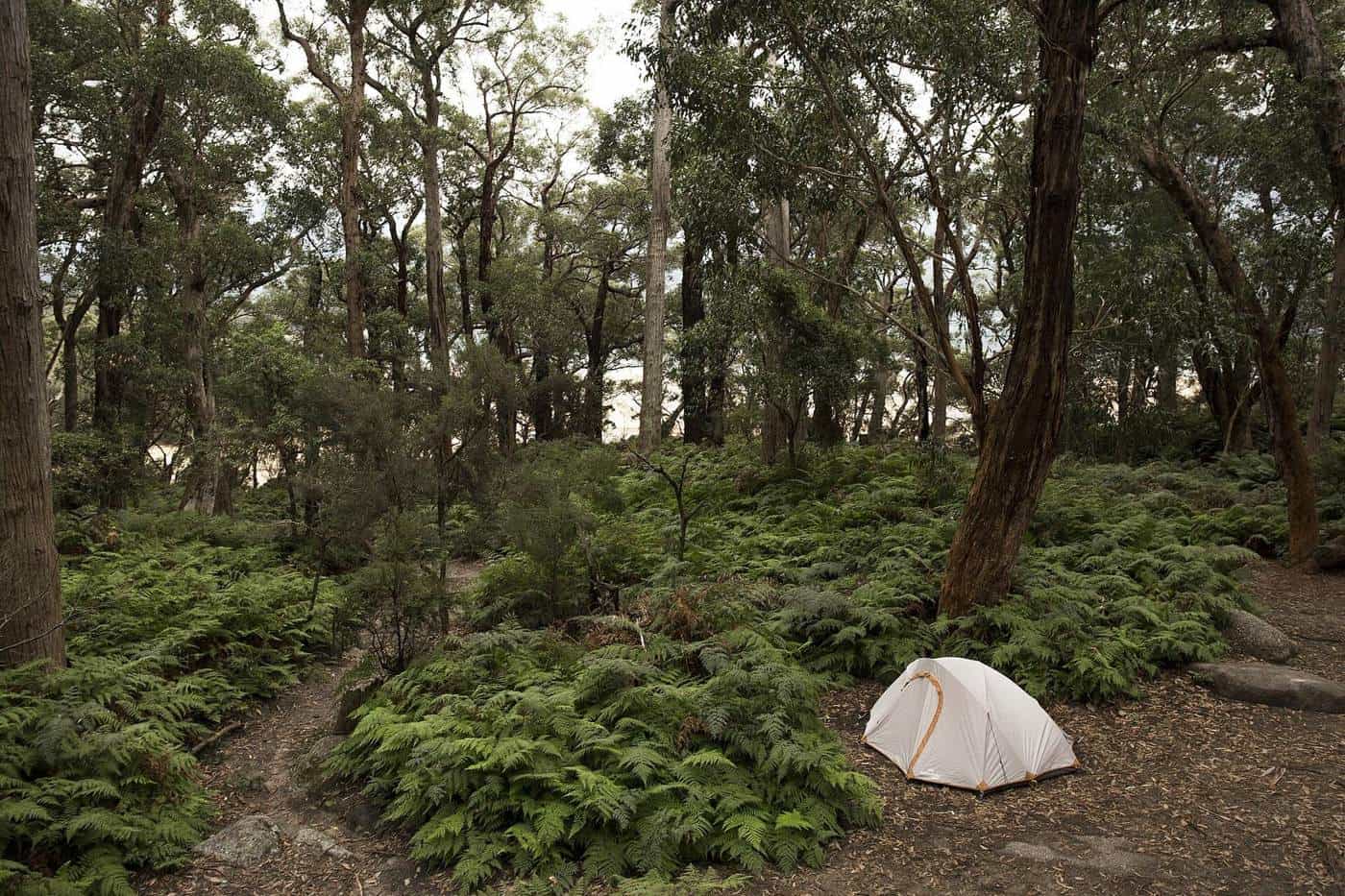
- Use established campsites and marked tent pads where they exist.
- Stay on tracks when walking, even when they are muddy, rather than widening them.
- Keep campsites small, and avoid spreading out into vegetation.
- Bush camp responsibly. QPWS asks bush campers to camp well away from streams, lakes, walking tracks and picnic areas.
- Do not dig trenches around tents. Choose a site that drains naturally instead.
3. Dispose of waste properly
"Pack it in, pack it out" is the heart of this principle.
- Take all rubbish home, including food scraps, fruit peel and bottle caps. Many campsites have no bins.
- Do not burn or bury rubbish. Burnt plastics release toxic fumes, and buried rubbish is dug up by animals.
- Use toilets where provided. Where there are none, dig a small hole well away from water, camp and tracks, and cover it. Pack out toilet paper and hygiene products in a sealed bag where possible.
- Wash up away from water. Use a small amount of biodegradable soap in a tub, strain out food scraps, and scatter the grey water well away from creeks and lakes.
4. Leave what you find
National parks protect natural and cultural heritage. Take only photos.
- Leave rocks, plants, shells and wood where you find them.
- Do not cut or damage trees, or hammer nails into them.
- Respect cultural sites. Many places have deep significance for Aboriginal and Torres Strait Islander peoples. Do not touch or disturb rock art, artefacts or sites.
- Avoid introducing weeds. Clean seeds and soil from your shoes, tent and vehicle before you travel.
5. Minimise campfire impacts
Campfires can scar the ground, consume habitat and start bushfires.
- Use a gas stove for cooking where you can. It is cleaner and more efficient.
- Use existing fireplaces or fire rings when you do have a fire, and only when allowed.
- Bring firewood from outside the park. QPWS says all timber and branches within parks and forests are protected and cannot be collected.
- Keep fires small, and burn wood completely to ash.
- Never burn rubbish, cans or glass in a fire.
- Put fires out completely with water.
See our campfire safety and fire bans guide for details.
6. Respect wildlife
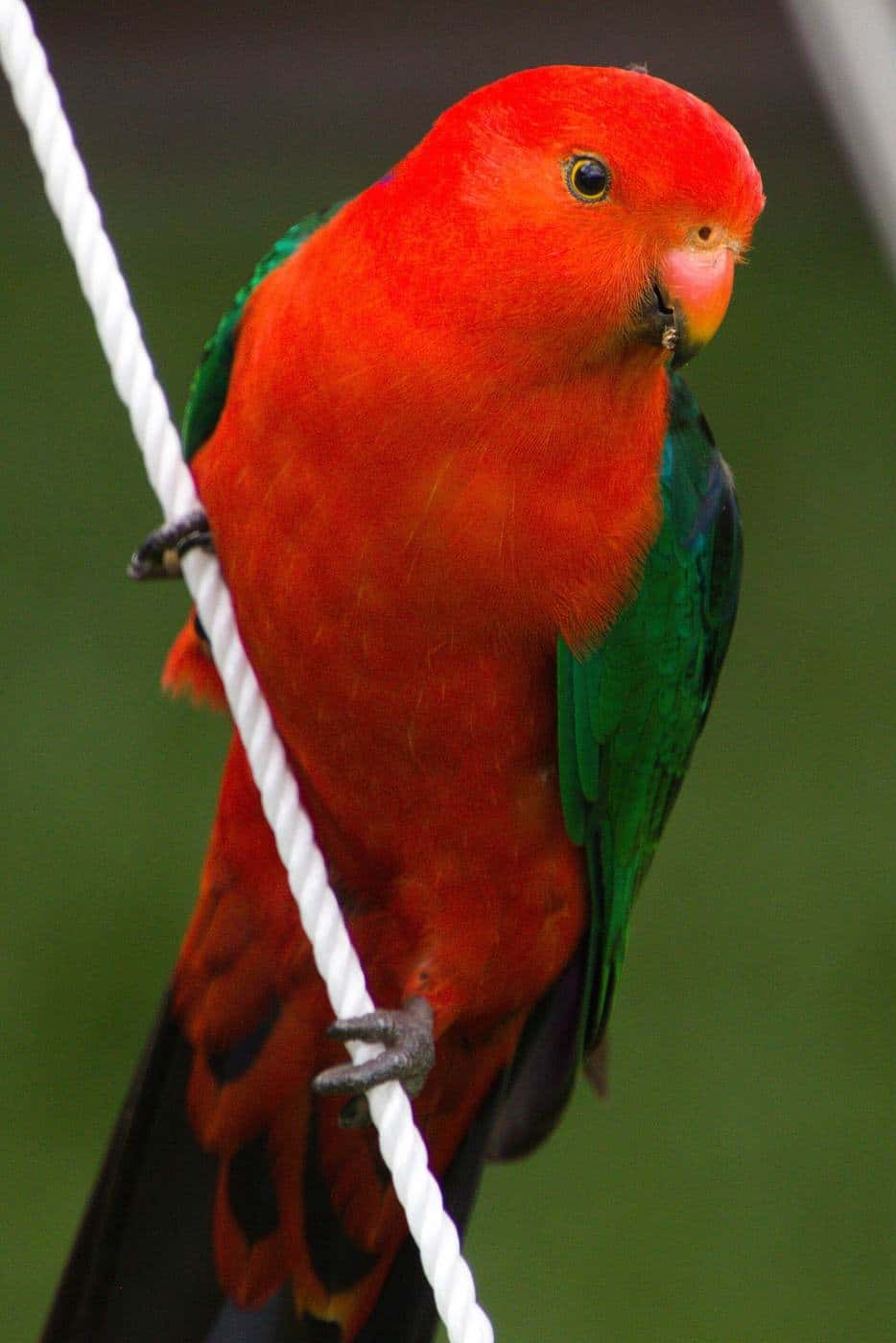
Seeing wildlife is one of the joys of camping. Keep it that way.
- Never feed wildlife. Human food can make animals sick, and fed animals can become dependent or aggressive.
- Store food securely, in your vehicle or a sealed container. Possums, goannas, birds and other animals are expert campsite raiders.
- Watch from a distance, and never approach or chase animals.
- Keep noise and lights down at night, when many animals are active.
- Leave pets at home where they are not allowed. Pets can disturb, chase or kill wildlife.
- Drive slowly in parks, especially at dawn and dusk.
7. Be considerate of other visitors
Many people go camping for peace and quiet.
- Keep noise down, especially in the evening and early morning. Music and loud voices carry a long way.
- Respect generator rules. QPWS notes that many visitors value parks for their peace and quiet, and suggests solar panels as an alternative to generators.
- Give other campers space, and do not walk through their sites.
- Point lights down, and turn off bright lanterns when you go to bed.
- Leave gates as you find them and give way on tracks.
Teaching children Leave No Trace
Children pick up camping habits quickly, and Leave No Trace is easy to turn into a game. Give them a small bag and challenge them to find any rubbish around the campsite before you leave. Explain why we do not feed the birds, and let them be the "fire safety officer" who checks that the bucket of water is full. Habits learned early tend to last.
Leave it better than you found it
Many campers go one step further and leave their site cleaner than they found it, picking up a few bits of rubbish left by others. It takes a couple of minutes and makes a real difference.
Leave No Trace checklist
0 of 8 done
Ticks are saved in this browser only.
Related guides
Read national park camping in Queensland for park rules, and the ultimate camping checklist to pack your rubbish kit.
Frequently asked questions
What are the seven Leave No Trace principles?
Plan ahead and prepare; travel and camp on durable surfaces; dispose of waste properly; leave what you find; minimise campfire impacts; respect wildlife; and be considerate of other visitors.
Can I bury food scraps at camp?
It is better not to. Buried food scraps are often dug up by animals and take a long time to break down. Pack all food waste out with your rubbish.
How do I go to the toilet where there are no toilets?
Use a trowel to dig a small hole well away from water, campsites and tracks, and cover it afterwards. Pack out toilet paper and hygiene products in a sealed bag where possible. Follow any specific rules for the park.
Is it OK to feed wildlife at camp?
No. Feeding wildlife can make animals sick, change their natural behaviour and make some of them aggressive. Store food securely so animals cannot get to it.
Can I take rocks, shells or plants home?
In national parks, natural features such as rocks, plants, wood and animals are protected. Leave them where you find them.
Where can I wash up?
Well away from creeks and lakes. Use a wash tub and a small amount of biodegradable soap, strain out food scraps and scatter the grey water on the ground away from water.
Sources and further reading
Facts on this page were checked against these primary and official sources. Conditions change — confirm before you travel or buy.
- The seven principles — Leave No Trace
- Where to camp — Queensland Parks and Wildlife Service
- Camp fires and cooking — Queensland Parks and Wildlife Service
- Generator use — Queensland Parks and Wildlife Service